









Customer Care
Frequently asked questions
Answers about our Tahitian pearls, how we farm them on Ahe, and how to order, wear and care for them.
No questions match that search. Try another word, or ask a jeweler below.
01
Shipping, Returns & Warranty
We ship every weekday from Bend, Oregon. US orders over $100 ship free with USPS Ground Advantage, which usually arrives in 2–5 business days. At checkout you can choose faster shipping with USPS Priority Mail, Priority Mail Express, UPS or FedEx.
Yes, we ship worldwide, and international rates are shown at checkout. Right now, duties and import taxes are set by your country and collected on delivery. We’re working on adding them to checkout so there are no surprises when your order arrives.
For USPS Ground Advantage, we recommend ordering at least ten days before Christmas. Follow us on Instagram for the latest holiday shipping updates.
Orders over $3,000 are insured until they reach you. If you’d like signature-required delivery, a different ship day or a different carrier, contact us and we’ll do our best to arrange it.
You can return items within 30 days, and we’ll send you a return shipping label. Items must be unworn and in their original packaging, and refunds go to the original payment method. Custom and modified pieces, including resized items, can’t be returned.
Yes, within 30 days. Contact us and we’ll help you choose a new piece.
Yes. We restring pearl strands and can often repair Kamoka pieces. The cost depends on the piece and the work needed, so contact us directly and we’ll take a look.
02
Sizing & Fit
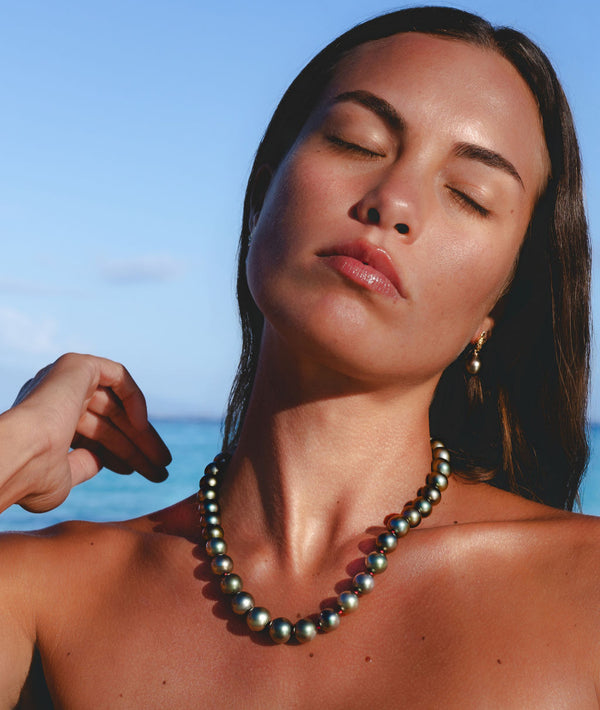
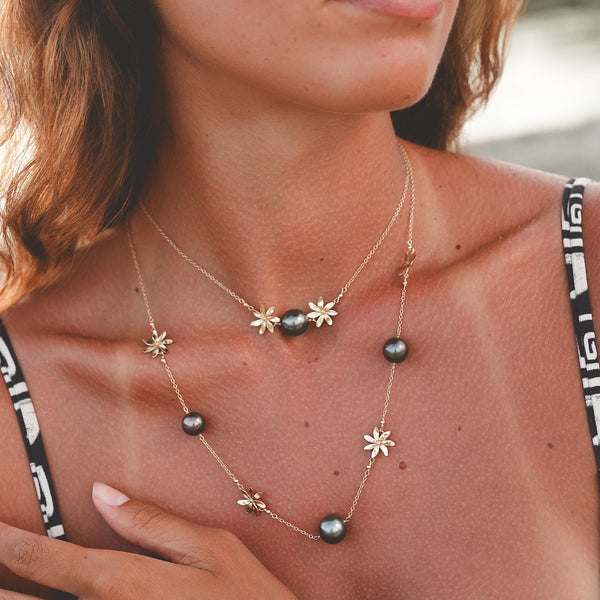
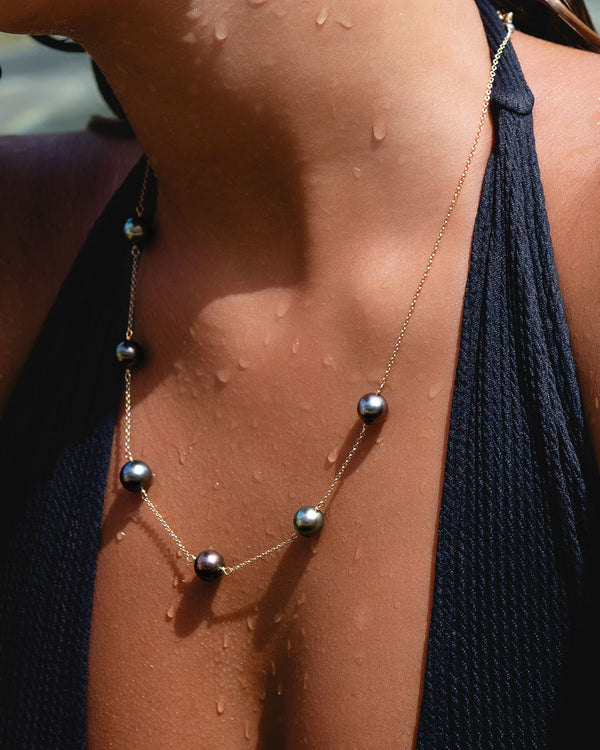
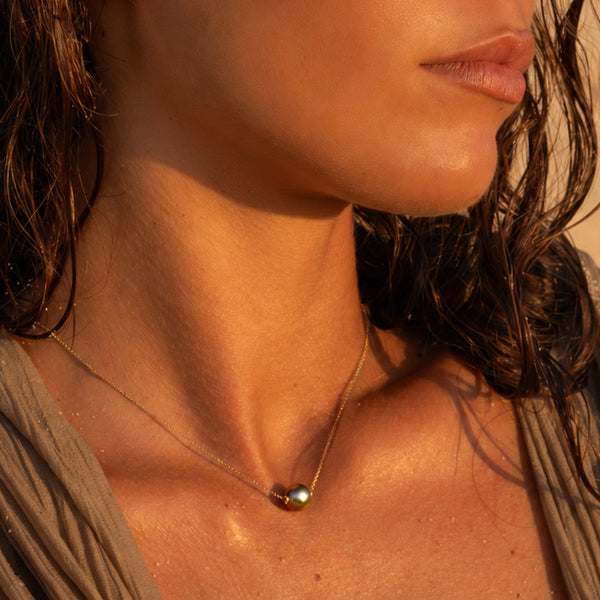
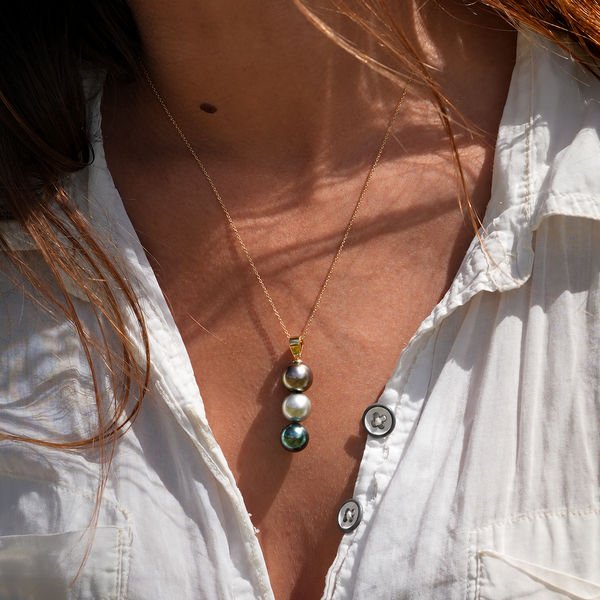
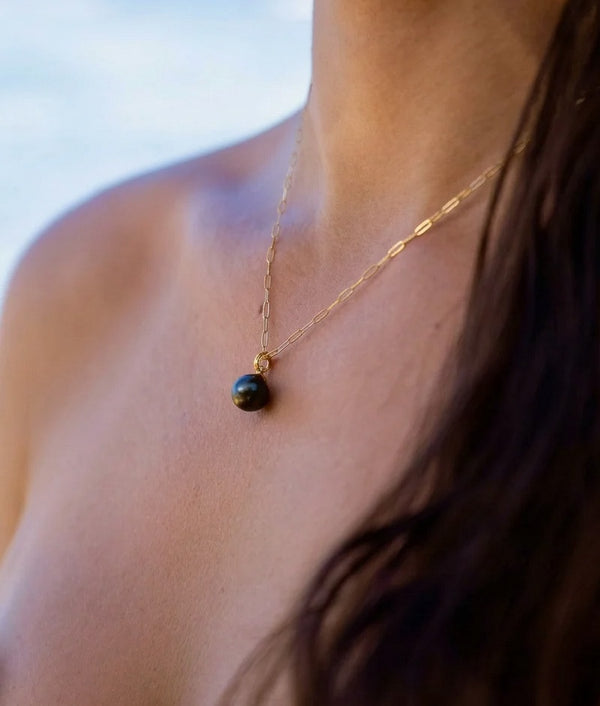
It depends on the piece, and each product page lists the lengths available. As a guide, 16" sits at the base of the neck, 18" falls just below the collarbone, and 20" sits a little lower on the chest. Mana necklaces adjust from 15" to 20".

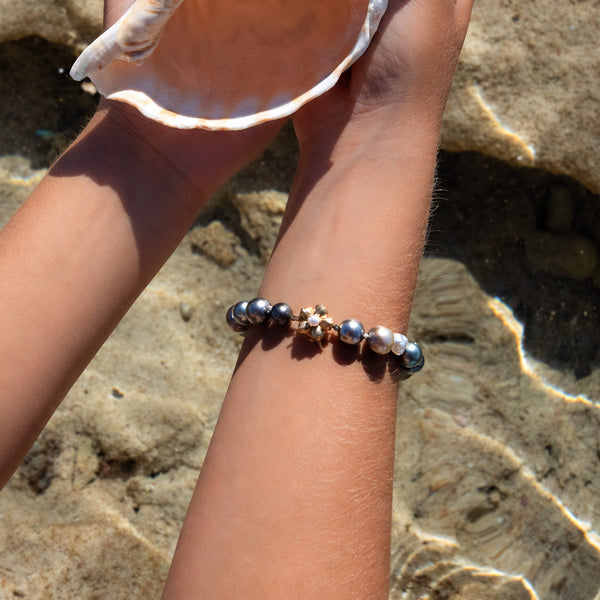
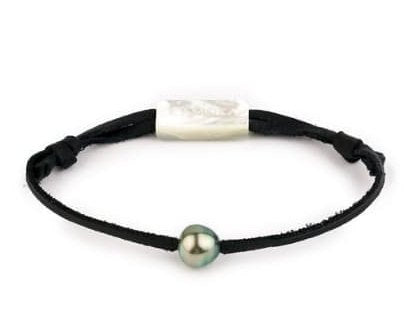
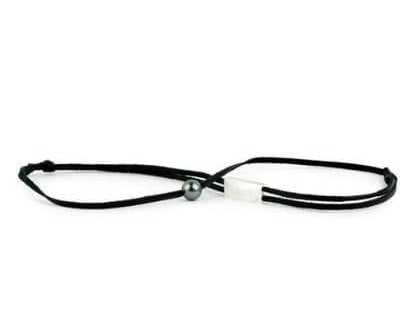
Measure your wrist snugly with a soft tape and add about half an inch for a comfortable fit. Mana bracelets adjust with a sliding knot.
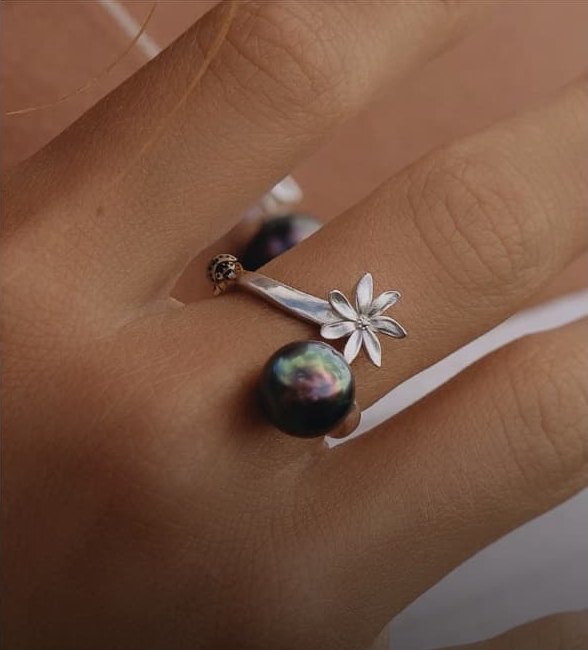
We use US ring sizes. A local jeweler can size your finger for free, or use our ring size chart. If a ring doesn’t fit, we can resize it after purchase for a fee. Resized rings can’t be returned.
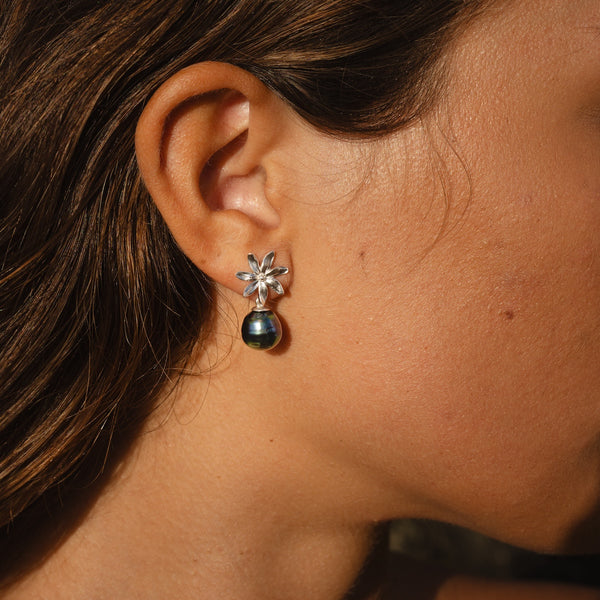
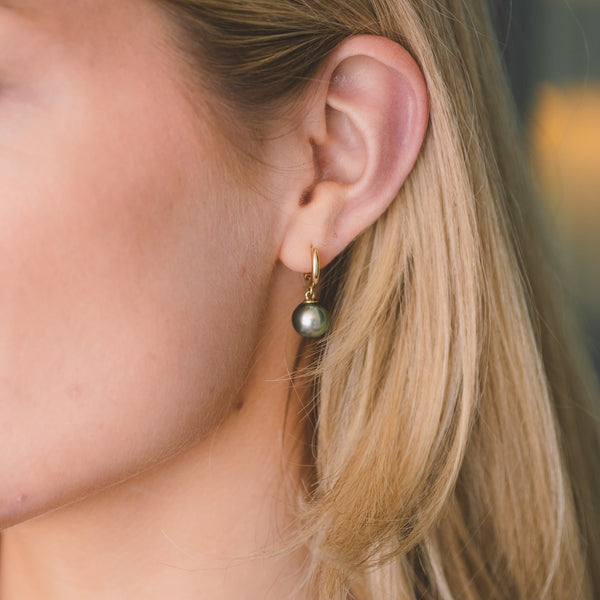
Most Tahitian pearls are 8–12mm. 8–9mm is subtle and everyday, 10–11mm is a statement, and 12mm and up is bold. Our pearl size chart shows each size next to a US penny for scale.
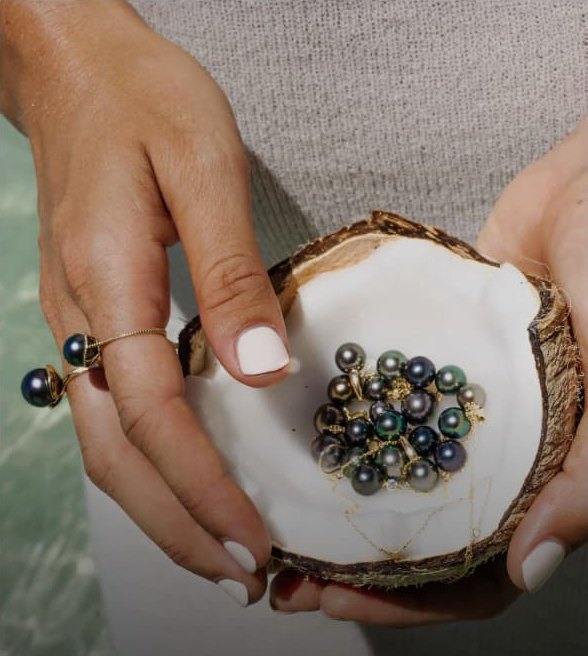
Mana pieces adjust with sliding knots: pull the knots apart to lengthen or together to shorten. Mana necklaces adjust from 15" to 20". Our button-closure version slips on and off more easily.
03
Ordering, Gifts & Custom
Yes. Contact us and we’ll check what else we have in stock. We may also be able to make a custom piece for you.
Yes, as long as it hasn’t shipped. Contact us as soon as possible and we’ll help make the change.
Yes. Custom orders are paused through the holidays and reopen just after Christmas. You start with a signature Kamoka design and choose the pearl, metal and size, and you see a preview before anything is made. Custom pieces can’t be returned.
Often, yes. We can sometimes match from photos, but it works best if you mail us your pearls so we can see them in person. Contact us to get started.
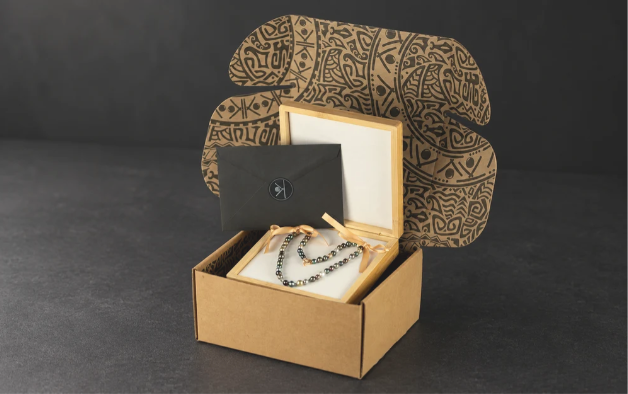
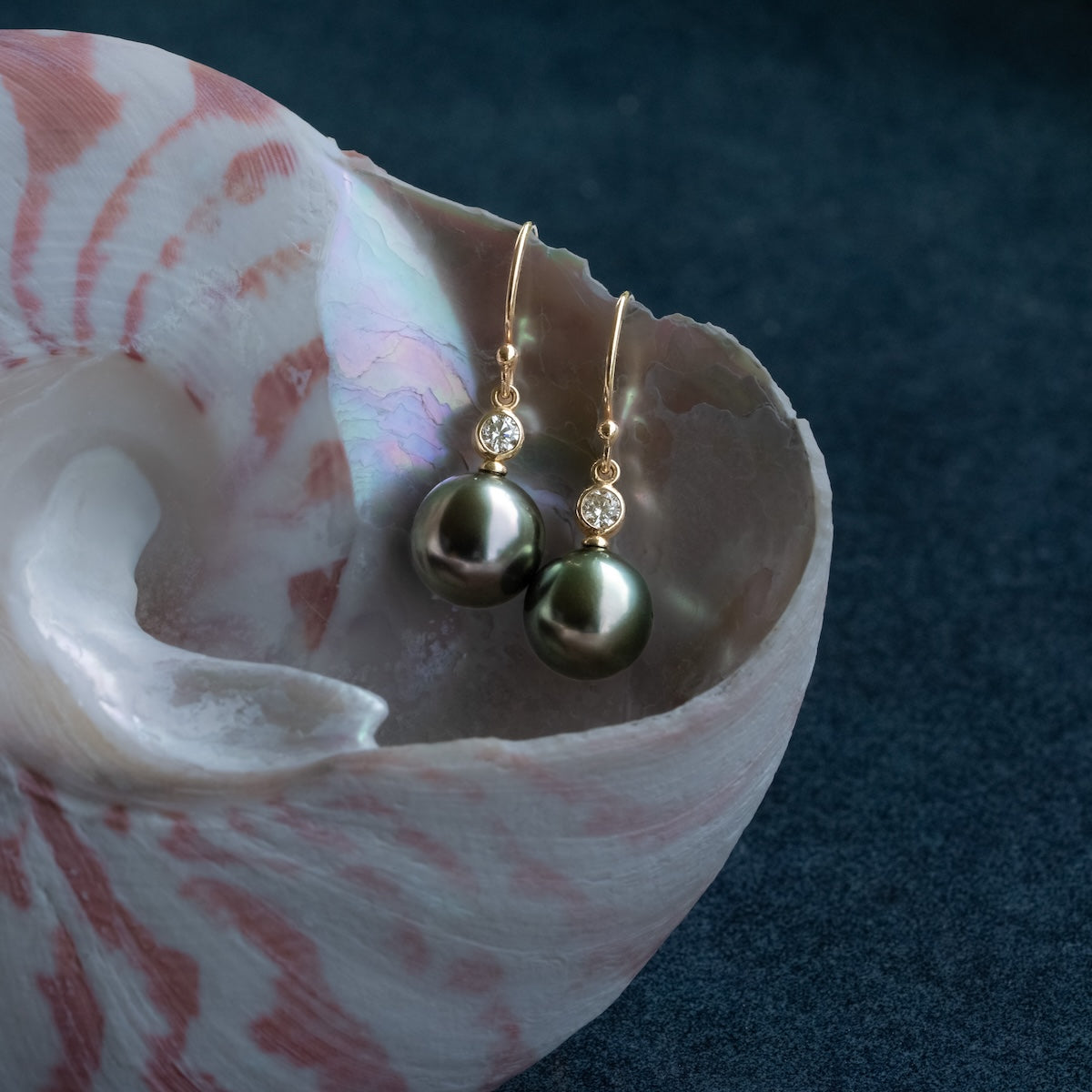
Gold jewelry and full pearl necklace and bracelet strands come in our special bamboo boxes. Our other pieces come in paper boxes.
Yes! We handwrite a thank-you note with each order, so please let us know if it’s a gift and who the note should be addressed to.
Every order includes a Kamoka origin card. Orders over $2,500 also come with a certificate of authenticity.
Yes, digital gift cards are available in any amount and are delivered by email.
Visa, Mastercard, American Express, Discover and Diners Club, plus Shop Pay, Apple Pay, Google Pay, PayPal and Amazon Pay. Shop Pay Installments lets you pay over time.
04
Wearing & Care
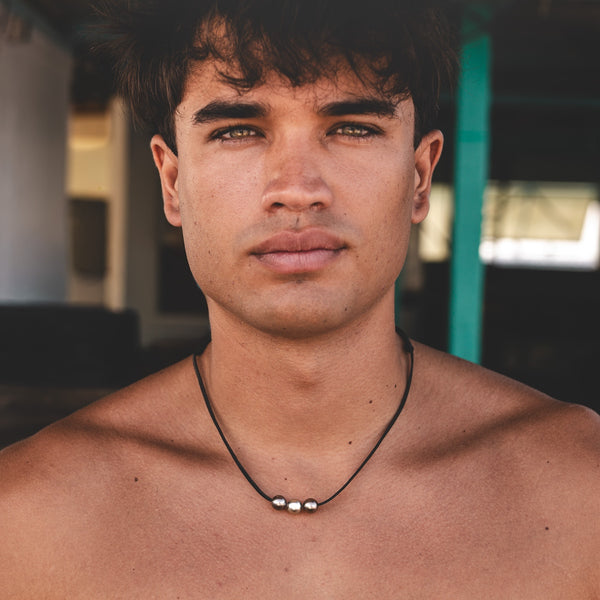
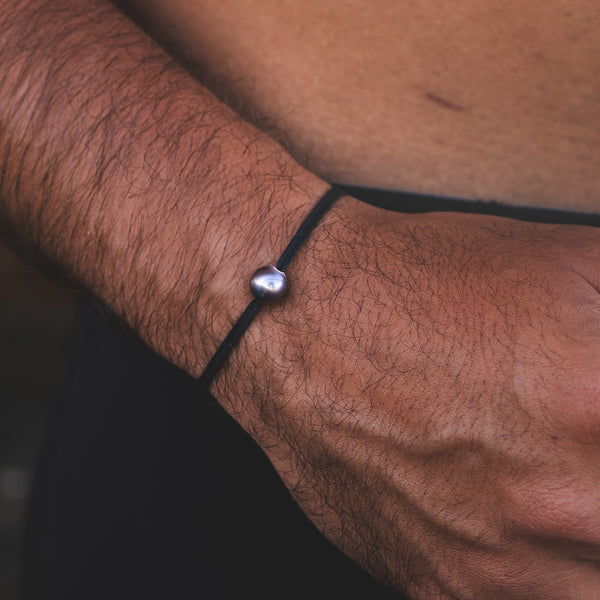
Yes. Mana cords are kangaroo leather and were designed for surfers, so they can be worn in salt water with no special care. If the cord gets grimy, wash it with soap and water.
Take pearls off before swimming, showering or exercising. Chlorine, soap residue and sweat can dull their surface over time.
Wipe them with a soft, damp cloth after wearing. For heavier dirt, use a tiny dot of mild soap, then wipe clean. Avoid jewelry cleaners, ultrasonic cleaners and chemicals.
Store pearls on their own, wrapped in a soft cloth or pouch. Lay strands flat with the clasp fastened. Use breathable materials like silk, because pearls sealed in an airtight box for long periods can dry out.
About once a year, or more often if you wear it daily. We restring Kamoka strands. Contact us directly to arrange it.
05
About Tahitian Pearls
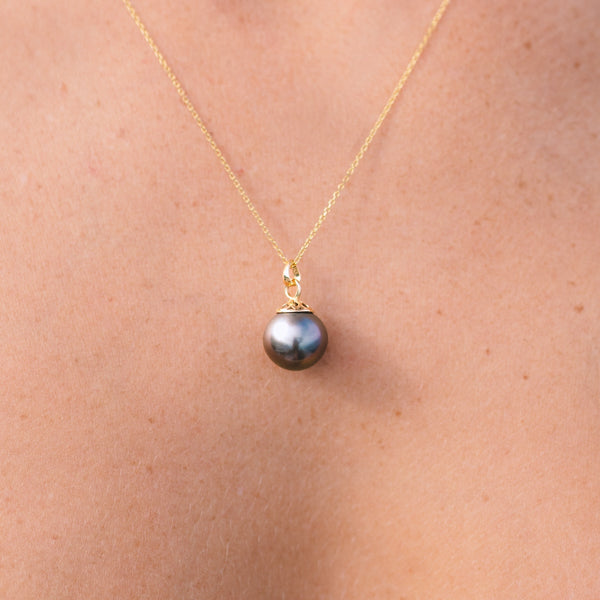
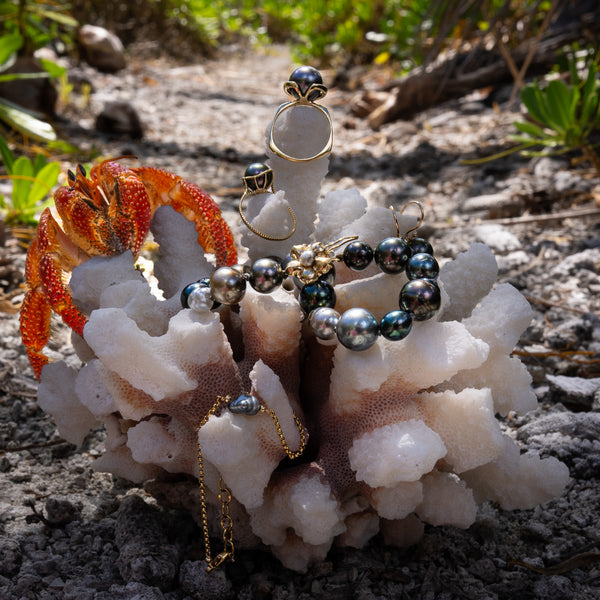
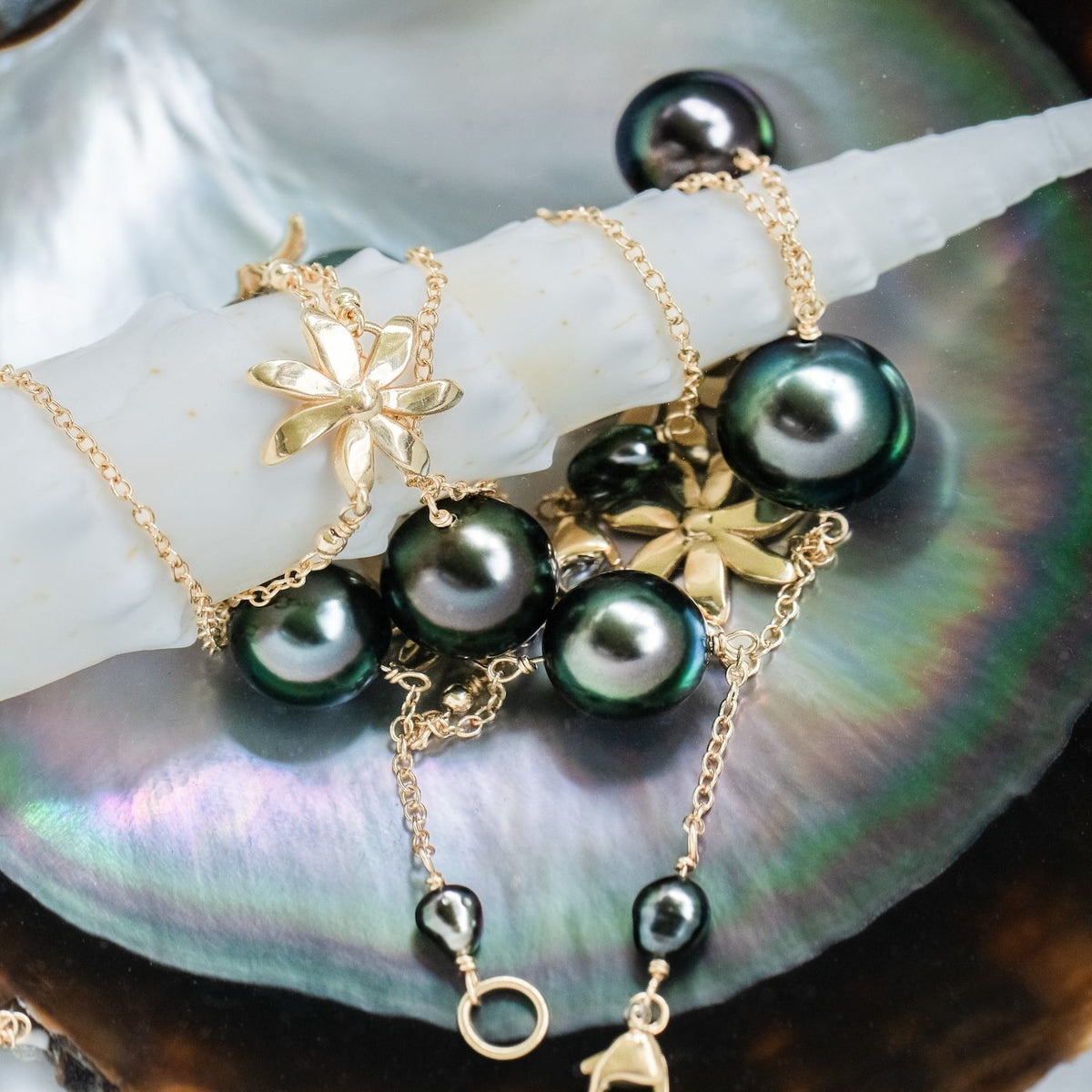
Yes. Tahitian pearls are real, cultured pearls grown by the black-lip pearl oyster in the lagoons of French Polynesia.
No. The colors of Tahitian pearls are entirely natural and come from the oyster itself. Kamoka pearls are never dyed or treated.
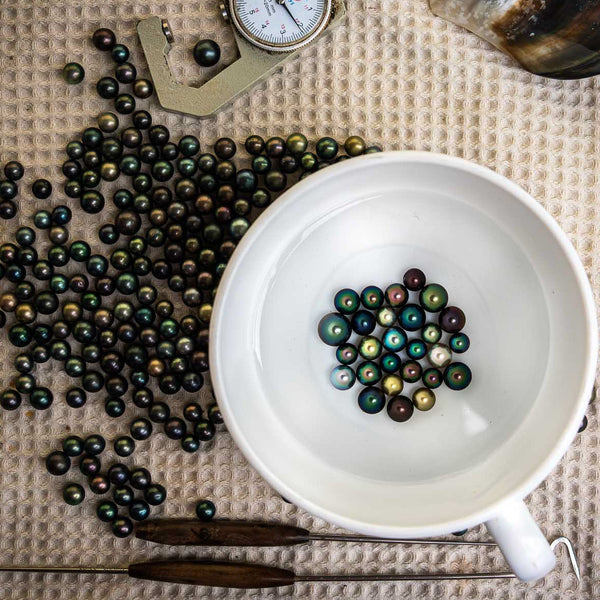
“Black pearl” usually means a Tahitian pearl, but the name is misleading. Tahitian pearls come in whites, silvers, pastels, greens, golds, blue-purples and deep blacks. “Tahitian” is an appellation, like Bordeaux for wine: only pearls from French Polynesia can carry the name.
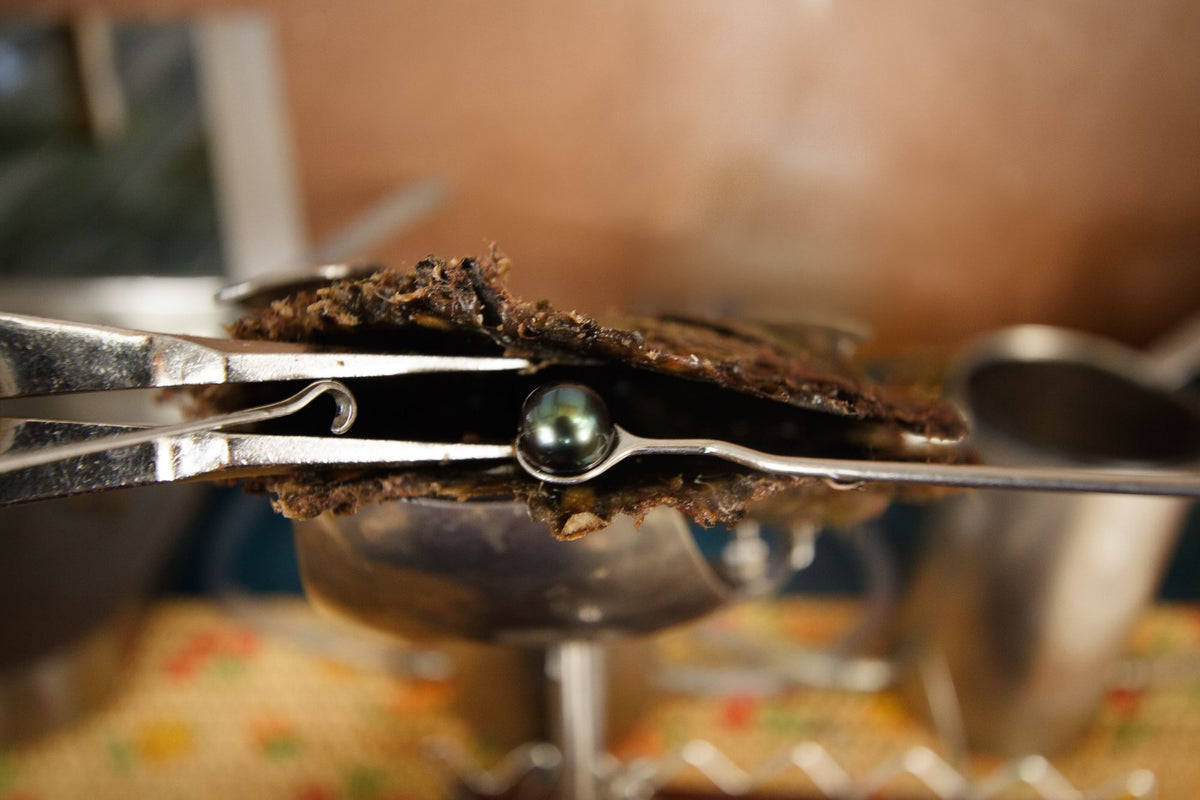
A natural pearl forms by chance with no human help and is extremely rare. A cultured pearl forms after a farmer places a small nucleus inside the oyster. Nearly all Tahitian pearls are cultured, including ours.
Each pearl takes a year or more to grow, and only about 25% of a harvest comes out round. Tahitian pearls also carry at least 0.8mm of nacre, and we aim for 1mm or more in ours. Thick nacre gives a pearl its depth and durability.
Real pearls feel slightly gritty when rubbed gently against your teeth, feel cool and heavy, and show small natural variations. Every Kamoka order includes an origin card, and orders over $2,500 also come with a certificate of authenticity.
06
Color, Luster & Quality
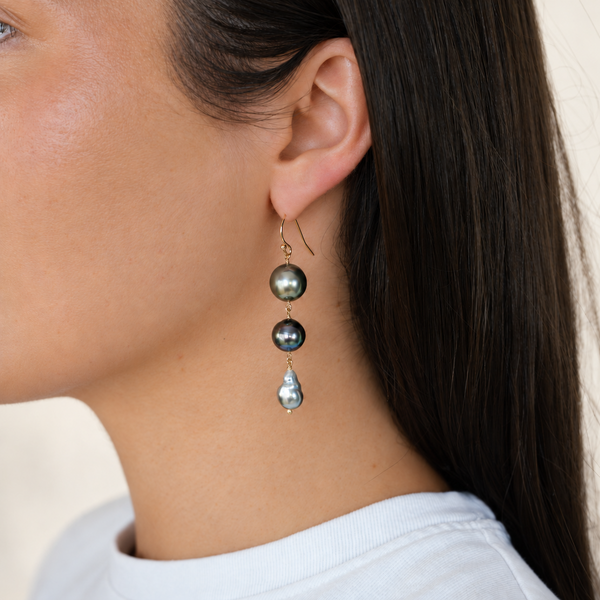
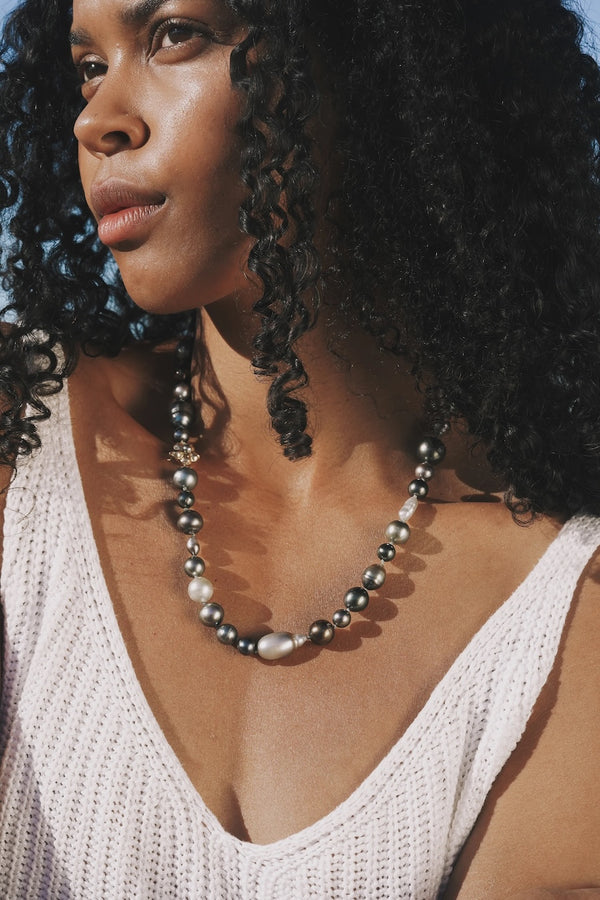
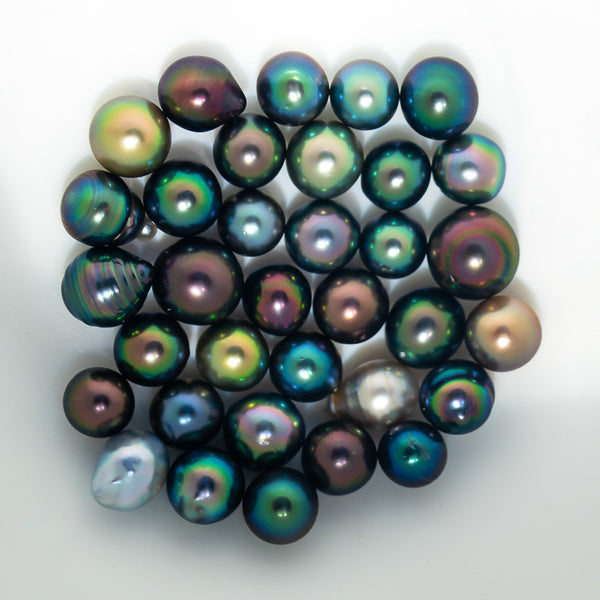
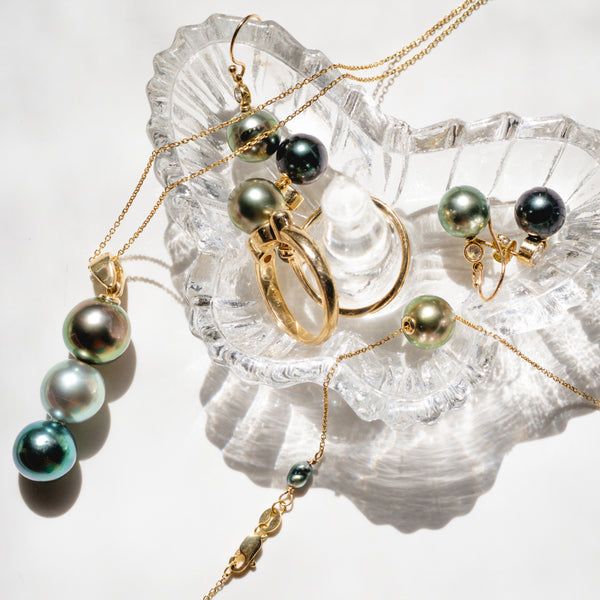
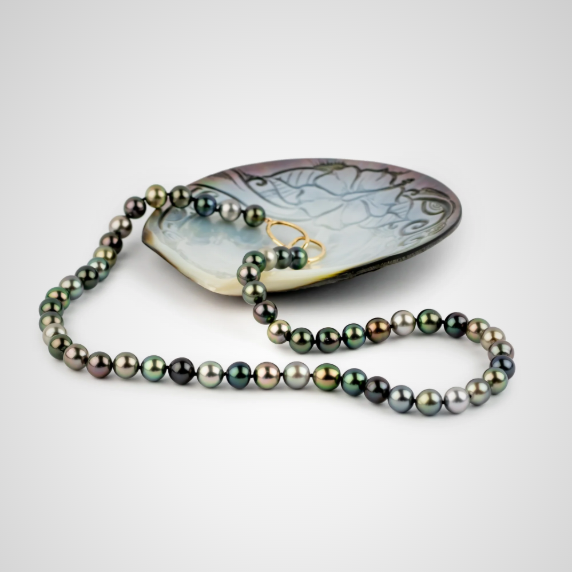
Tahitian pearls range from silver and white to the deepest black, with overtones of green, blue, gold, pink and aubergine.
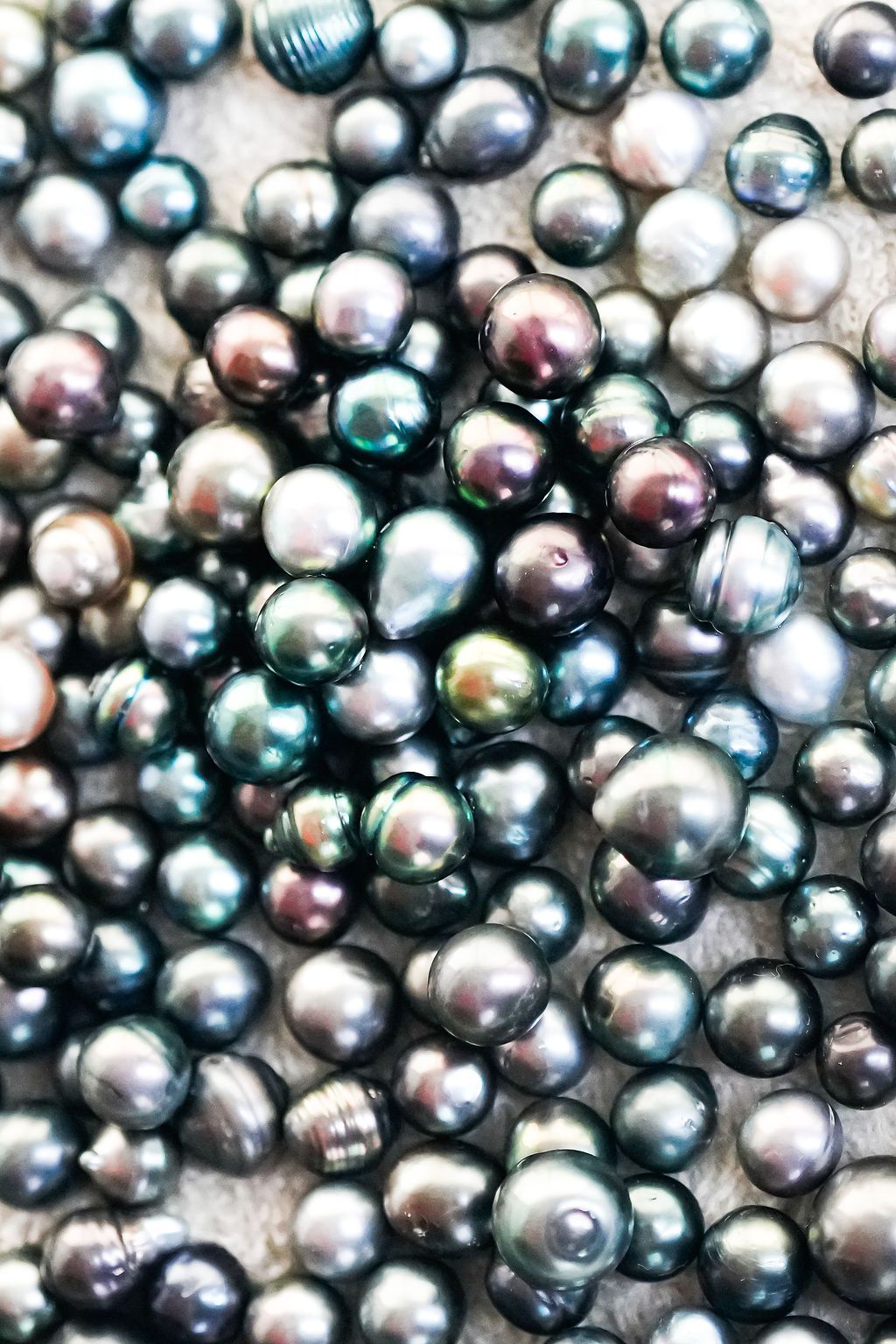
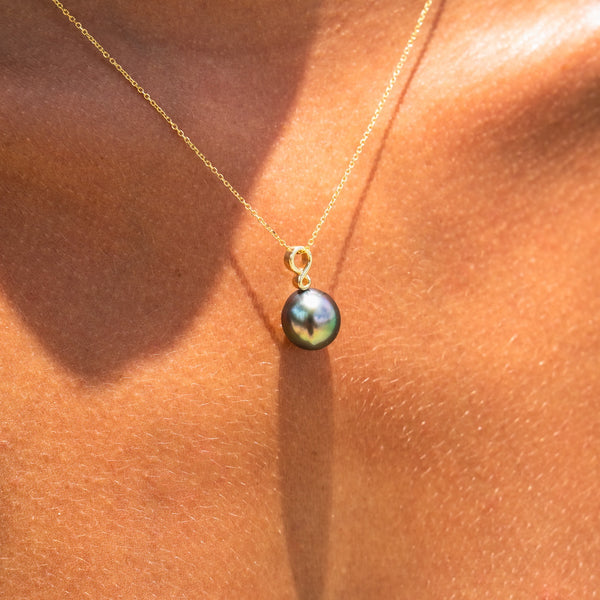
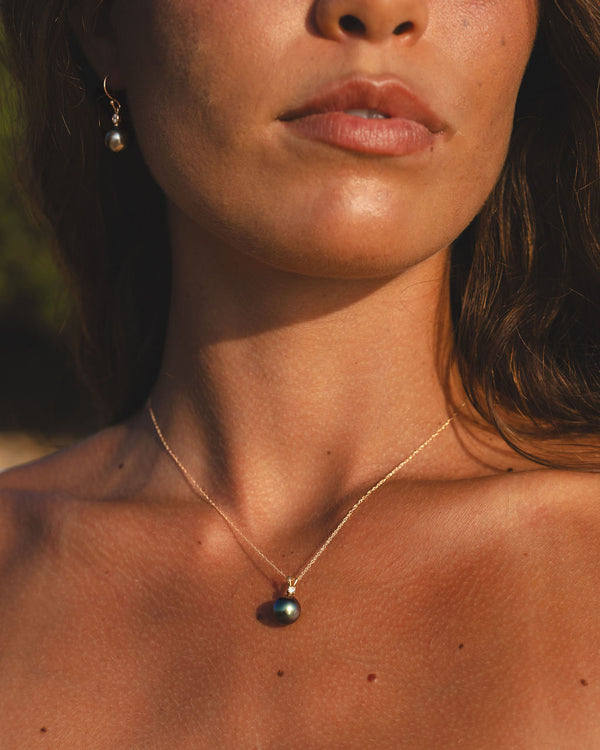
A peacock pearl has a dark green body with golden or pink overtones and a blue halo. It’s one of the most sought-after Tahitian colors.
Luster is the depth and sharpness of a pearl’s shine. It’s separate from color and is one of the most prized qualities in a pearl.
We grade on luster, surface quality, shape and color. A = under 10% of the surface with imperfections; B = 10–30%; C = 30–60%; D = over 60%, our most affordable grade.
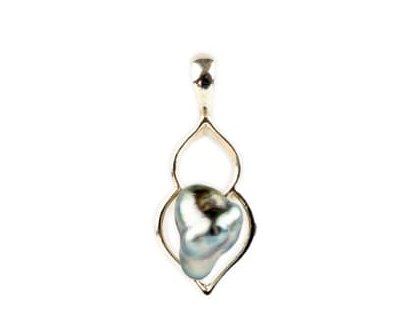
They describe the pearl’s shape. Round pearls are spherical and most valuable. Baroque pearls are irregular. Circled pearls have natural rings and are most affordable. Keshi pearls are solid nacre.
Every pearl is one of a kind. Many listings show the exact pearl you’ll receive. Others show a representative pearl. Contact us if you’d like extra photos or a video.
07
Sustainability & Sourcing
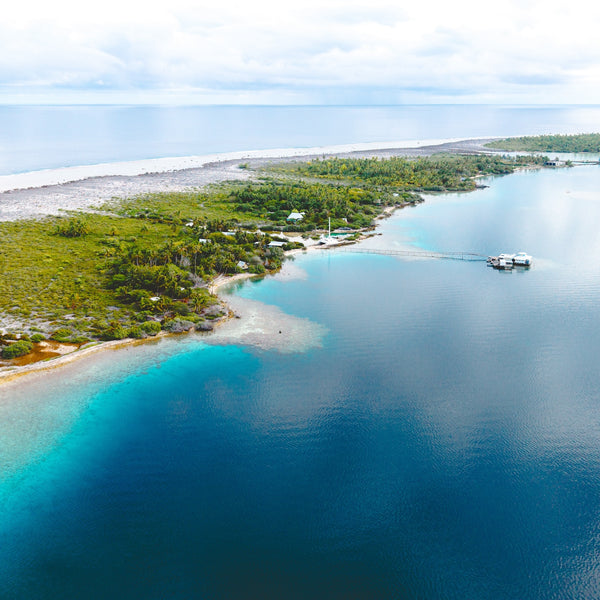
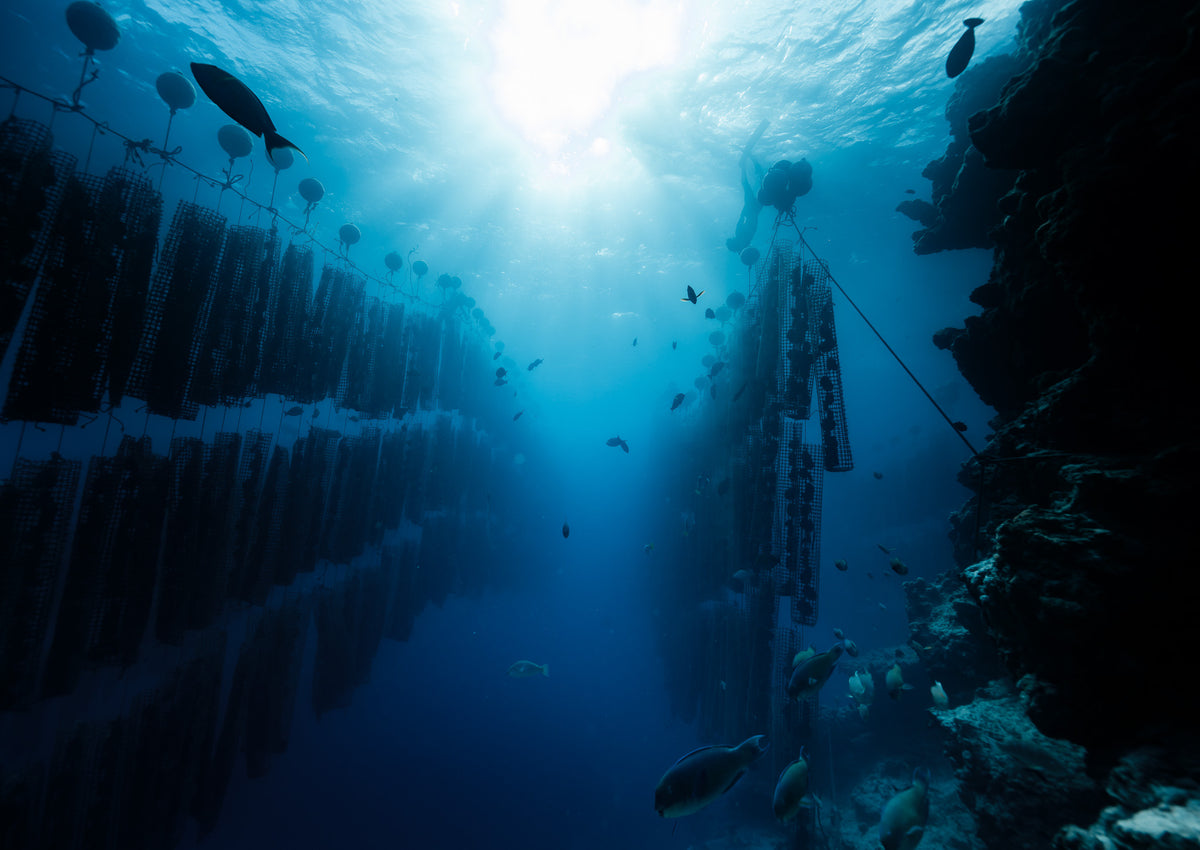
Many of our pearls are grown on our family farm on Ahe, a remote atoll in French Polynesia, founded in 1991. The rest come from partner farms in French Polynesia. Every piece is set and finished in Bend, Oregon.
Kamoka is a three-generation family farm. Patrick and his son Loic built the farmhouse in 1991. Josh joined in 1992 and ran the farm with his wife Celeste from 2002. Patrick now runs day-to-day operations.
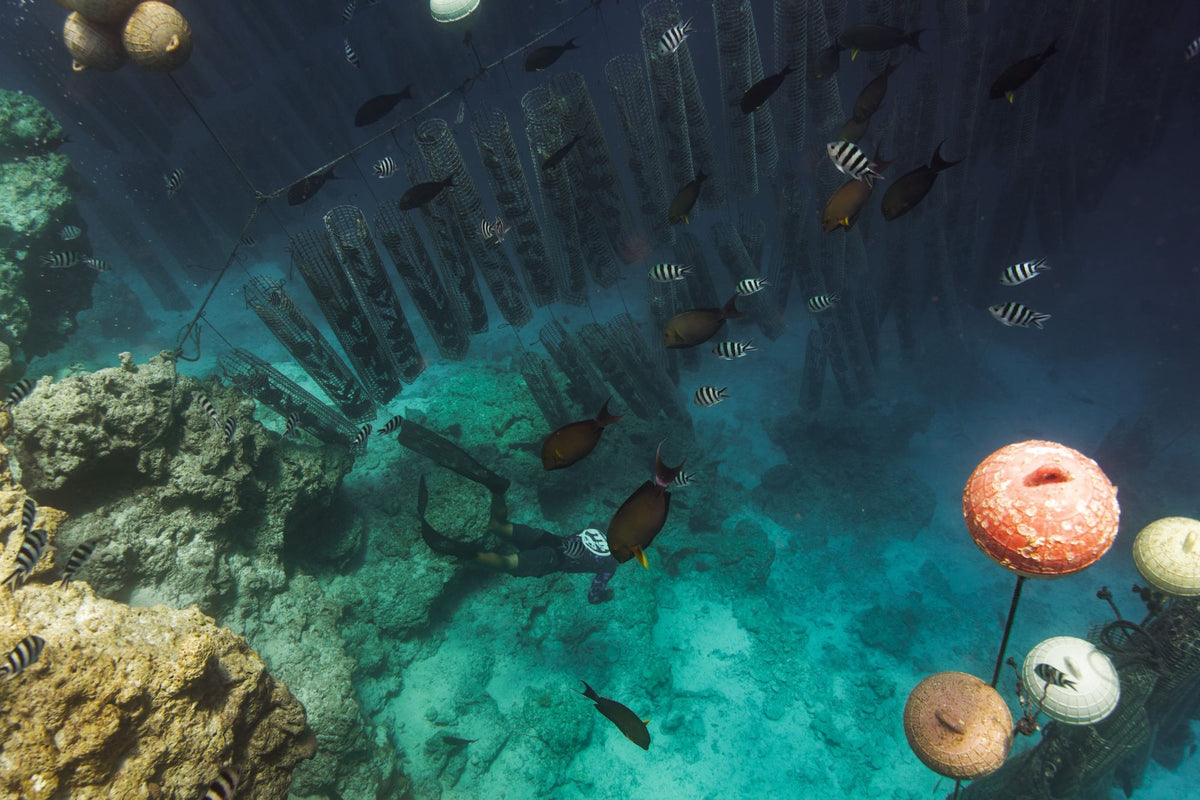
Harvesting a pearl doesn’t have to end the oyster’s life. Whenever an oyster is healthy enough, we place a new nucleus and return it to the lagoon. When an oyster can’t be re-grafted, its meat is saved and eaten by the farmers.
Instead of cleaning oysters with high-pressure hoses, we let local reef fish clean them. We don’t allow fishing in our farm waters. National Geographic documented fish populations rising around the farm as a result.
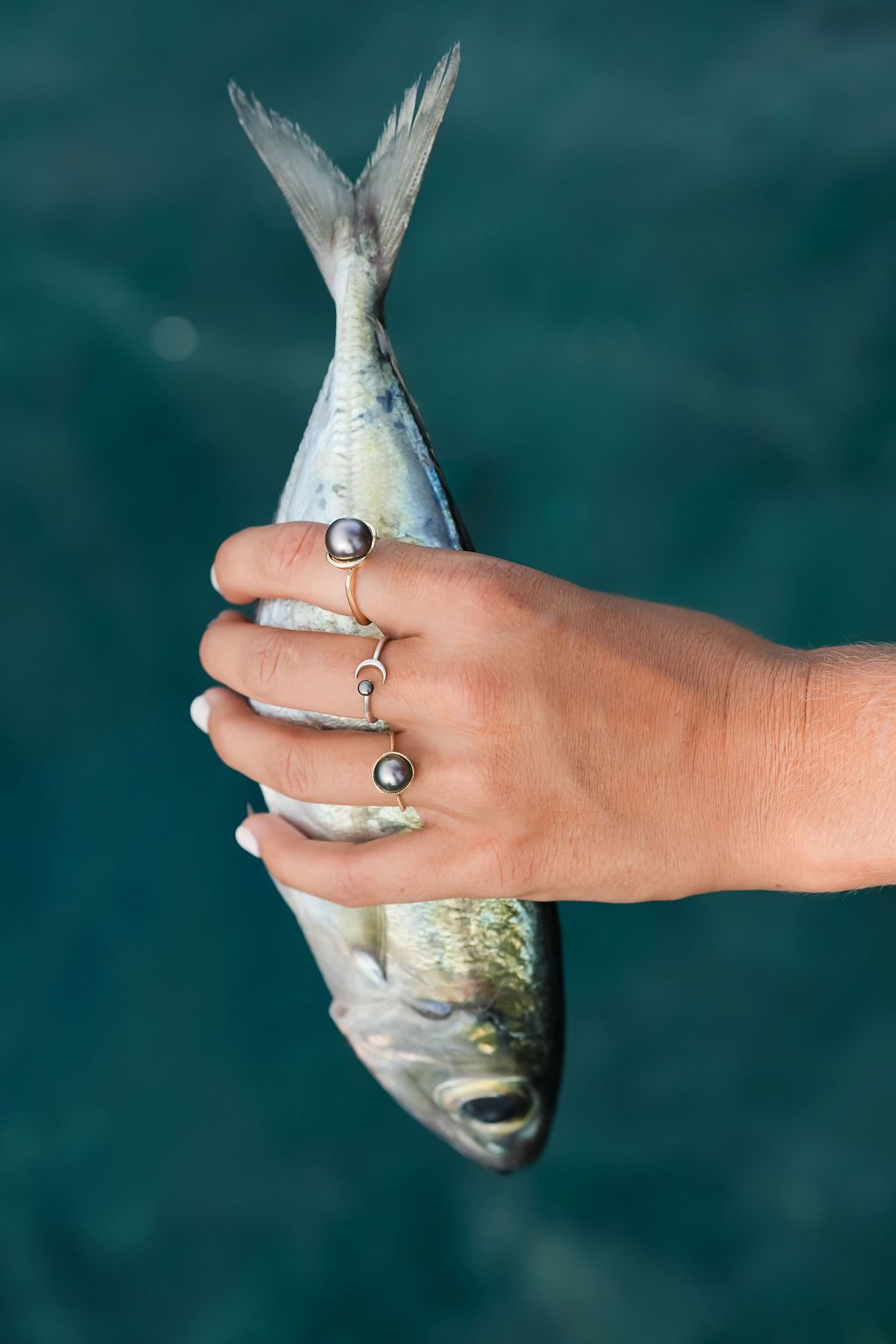
The farm runs on solar and wind power and collects rainwater. Our team lives and works on the farm and is paid fair wages.
Kamoka was the first farm in French Polynesia to make pearl nuclei from its own shell byproducts. Independent testing found they produce three times as many high-quality pearls.
We don’t use third-party sustainability certifications. We prefer to show you how we farm through our videos and National Geographic’s coverage.
Kangaroo leather is the strongest leather we’ve found, so our Mana cords stand up to surfing and everyday wear. All of our Mana pieces use kangaroo leather.
No. Preserving dead oysters takes toxic chemicals, which goes against our values. We’d rather give an oyster a new nucleus to grow another pearl.
08
About Kamoka
We’re not accepting guests at the farm at this time. However, sailors may moor their boats for a short stay at one of our farm moorings. Contact us before you arrive.
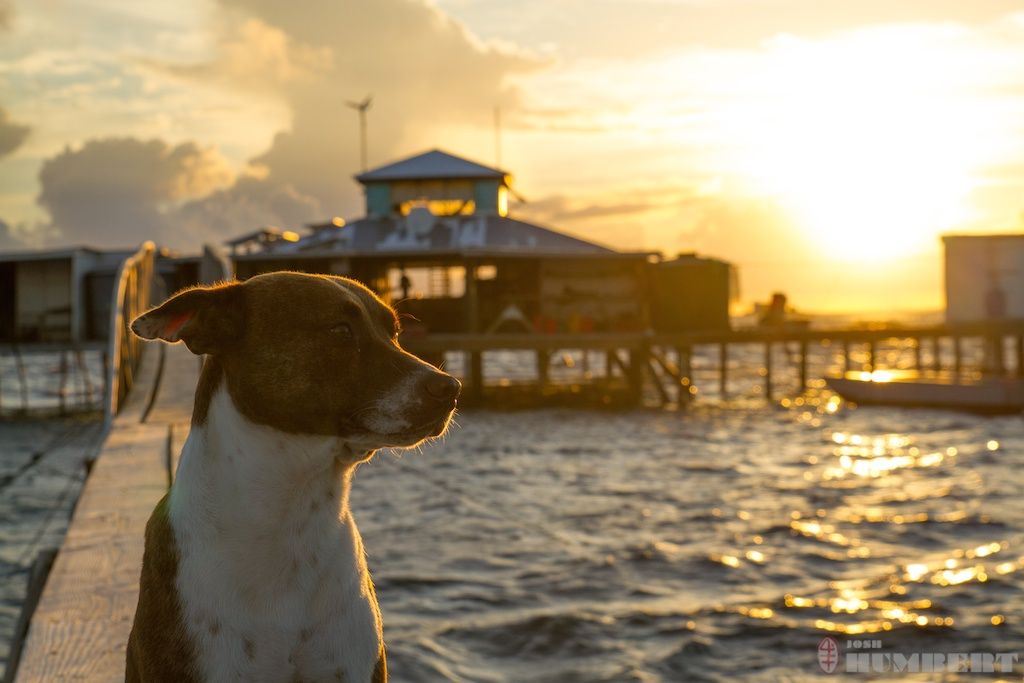
At this time, we’re only hiring local Tahitians for full-time work on the farm.
Yes. Apply through our wholesale application, or contact us with details about your shop.
Kamoka sells online only. Our pearls are grown in French Polynesia and our jewelry is finished and shipped from Bend, Oregon.
Our YouTube channel, followed by more than 1.8 million people, documents life on the farm. Start with “Life at the Edge of the Earth” or our Journey of a Pearl page.
Email friends@kamokapearl.com or use our contact form. A real jeweler answers questions about pearls, settings and gifts.

Still have a question?
Ask a jeweler
Email friends@kamokapearl.com or use our contact form. A real jeweler answers questions about pearls, settings and gifts.
Newsletter
News from the farm
New harvests and stories from Ahe, sent to your inbox.

Tahitian pearls from our family farm in French Polynesia, since 1991.
Questions about a pearl, a setting or a gift? Email our jewelers.
