How Tahitian Pearls Are Sustainably Farmed: Inside the Art of Sustainable Pearl Farming


How Tahitian Pearls Are Sustainably Farmed: Inside the Art of Sustainable Pearl Farming
When people admire a Tahitian pearl, they often notice its extraordinary luster, rich natural colors, and timeless beauty. What many don't realize is that behind every pearl is years of careful cultivation, patience, and a deep respect for the ocean.
At Kamoka Pearl, sustainable pearl farming is more than a production method. It's a way of life. Every pearl is nurtured within the pristine lagoons of French Polynesia using environmentally responsible practices that protect marine ecosystems while producing some of the world's finest pearls.
If you've ever wondered how Tahitian pearls are farmed, why they're considered one of the most sustainable gemstones available, or what makes Kamoka's approach unique, this guide will take you through the journey from oyster to heirloom-quality jewelry.
What Is Sustainable Pearl Farming?
Sustainable pearl farming is the practice of cultivating pearls while preserving the health of the surrounding marine environment. Unlike extractive industries that remove natural resources, pearl farming depends on healthy oceans and thriving ecosystems.
Pearl farmers must maintain clean water, balanced marine habitats, and healthy oyster populations because oysters can only produce exceptional pearls in a flourishing environment.
Responsible Tahitian pearl farming focuses on:
- Protecting natural lagoons
- Supporting marine biodiversity
- Using renewable resources whenever possible
- Minimizing environmental impact
- Caring for oysters throughout their entire life cycle
Because pearls are created naturally by living oysters, sustainable practices are essential, not optional. Read more about our commitment to ethical materials and how we prioritize marine conservation.
How Are Tahitian Pearls Sustainably Farmed?

The journey of a Tahitian pearl begins long before it becomes a beautiful piece of jewelry.
At Kamoka Pearl, every stage of cultivation is carefully managed to work with nature rather than against it.
1. Raising Healthy Black-Lipped Oysters
Every Tahitian pearl begins inside the Pinctada margaritifera, commonly known as the black-lipped oyster.
These oysters naturally thrive in the warm, nutrient-rich waters of French Polynesia. Instead of forcing production, farmers carefully monitor water quality, currents, and environmental conditions to ensure the oysters remain healthy.
Healthy oysters are the foundation of exceptional pearls.
2. Grafting the Pearl
Once an oyster reaches maturity, a highly trained grafter performs a delicate procedure that places a small nucleus and donor mantle tissue inside the oyster.
This process requires remarkable precision and years of experience.
After grafting, the oyster is returned to the lagoon, where nature takes over.
Over time, the oyster coats the nucleus with thousands of microscopic layers of nacre, gradually creating a stunning loose Tahitian pearl.
3. Caring for the Oysters Naturally
Unlike intensive farming operations, Kamoka embraces methods that work alongside the natural ecosystem.
Rather than relying on environmentally harmful cleaning techniques, oysters are placed in carefully selected areas where native fish naturally remove marine growth from their shells.
This approach:
- Keeps oysters healthy
- Protects lagoon biodiversity
- Eliminates damage caused by high-pressure cleaning
- Supports healthier marine life
Working with nature instead of against it is one of the defining characteristics of ethical pearl farming.
4. Harvesting Exceptional Pearls
Depending on the desired size and quality, oysters remain in the lagoon for several years before harvest.
Each pearl develops naturally, making every one unique in shape, color, and character.
The result is a gemstone unlike any other, formed entirely by nature with careful human stewardship.
Why Sustainable Pearl Farming Matters
Unlike many gemstones that require mining or extensive land disruption, pearl farming depends on living ecosystems.
Healthy lagoons create healthy oysters. Healthy oysters create beautiful pearls.
This relationship encourages pearl farmers to become environmental stewards.
Responsible Tahitian pearl farming benefits both nature and local communities by:
- Encouraging clean ocean environments
- Supporting fish populations
- Protecting coral reef ecosystems
- Creating long-term employment
- Preserving traditional craftsmanship
For consumers seeking eco-friendly jewelry, pearls offer one of the most environmentally responsible luxury options available. Learn more on choosing a Tahitian pearl through our complete buyer's guide.
What Makes Kamoka Pearl Different?

At Kamoka Pearl, sustainability extends beyond the lagoon.
Our farm has spent decades refining environmentally responsible practices that minimize impact while producing exceptional Tahitian pearls.
Our commitment includes:
- Solar and wind energy to power daily operations
- Rainwater collection systems for freshwater needs
- Biodegradable wastewater systems
- Responsible sourcing of materials
- Family-owned farming focused on long-term environmental stewardship
Kamoka is constantly pioneering new ecological techniques, including the use of natural mother-of-pearl nuclei produced from our own oysters in place of traditional freshwater mussel nuclei. This ongoing innovation helps reduce pressure on freshwater mussel populations while supporting outstanding pearl quality.
Learn the Kamoka story to discover how our family-owned farm started on Ahe Atoll.
Are Tahitian Pearls Environmentally Friendly?
Yes.
When cultivated responsibly, Tahitian pearls are among the most environmentally friendly luxury gemstones available.
Unlike mined gemstones, pearls are created naturally by living oysters without excavation or landscape destruction.
Responsible pearl farms actively protect the marine environment because their success depends on healthy ecosystems.
Choosing sustainable pearl jewelry like our signature ocean-chic Tahitian pearls and leather collection allows consumers to enjoy timeless luxury while supporting responsible aquaculture and environmental conservation.
Why Are Tahitian Pearls Considered Sustainable?
Several factors make Tahitian pearls an excellent choice for environmentally conscious buyers.
They are:
- Produced by living oysters in their natural habitat
- Renewable rather than mined
- Cultivated with minimal environmental disturbance
- Often farmed using renewable energy and conservation practices
- Dependent on healthy oceans and biodiversity
When produced by responsible farms like Kamoka Pearl, Tahitian pearls represent luxury that works in harmony with nature.
How Long Does It Take to Grow a Tahitian Pearl?
Growing a Tahitian pearl is a lesson in patience.
From the initial grafting process to harvest, most pearls require 18 to 24 months to develop.
Including the years needed for oysters to mature before grafting, the complete process often spans three to five years.
This slow, natural timeline is one reason Tahitian pearls are so highly valued.
Unlike mass-produced products, every pearl reflects years of care and the unique conditions of the lagoon where it was grown.
Discover how size impacts cultivation with our pearl size guide.
What Oysters Produce Tahitian Pearls?

Tahitian pearls are produced by the Pinctada margaritifera, commonly known as the black-lipped oyster.
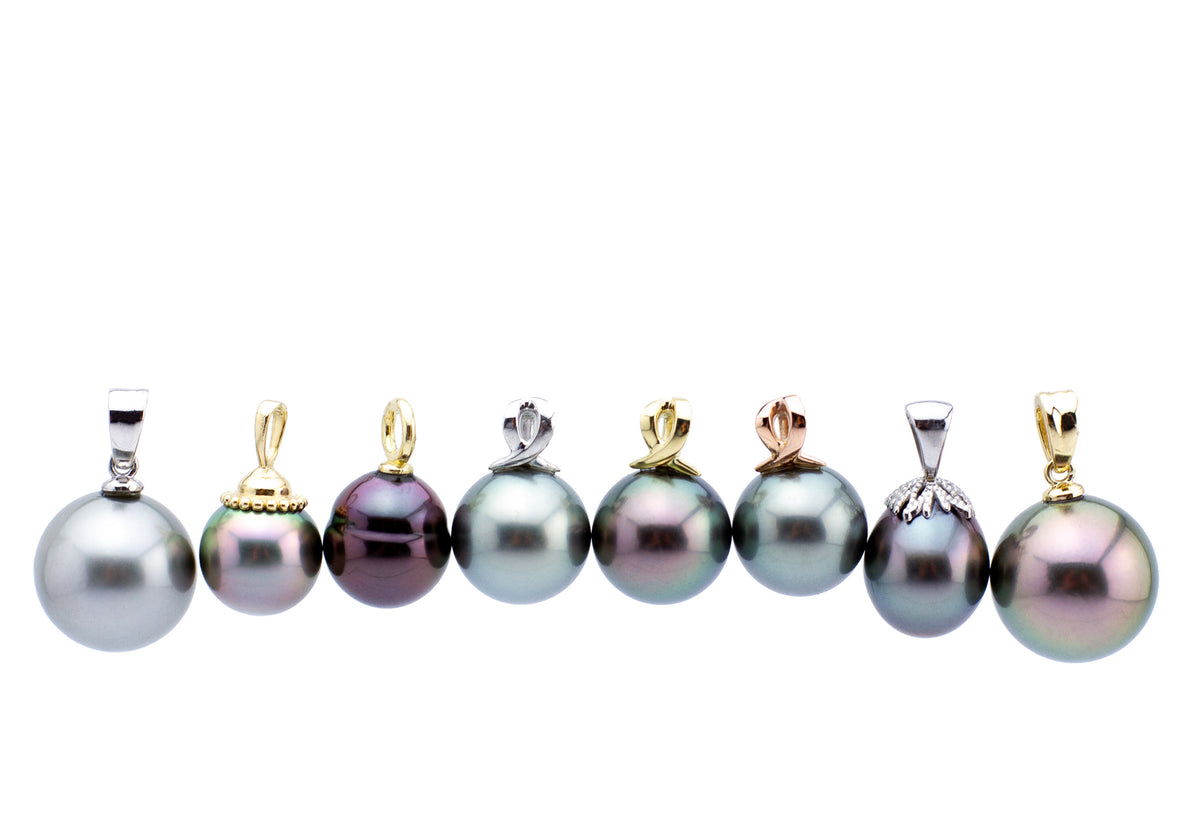
Native to French Polynesia, these oysters are prized for producing pearls with remarkable natural colors, including:
- Peacock green
- Silver
- Blue
- Aubergine
- Charcoal
- Pistachio
- Rose overtones
No dyes or artificial treatments create these colors. They are entirely natural.
Sustainable Pearl Jewelry: A Better Choice for Conscious Consumers
Today's shoppers increasingly want products that reflect their values.
Choosing sustainable pearl jewelry means investing in craftsmanship, quality, and environmental responsibility.
When purchasing pearls, consider whether the jeweler:
- Owns or partners with a responsible Tahitian pearl farm
- Uses environmentally responsible farming practices
- Supports local communities
- Prioritizes ethical sourcing
- Shares transparent information about pearl cultivation
These factors help ensure your jewelry reflects both beauty and responsible production.
Frequently Asked Questions
What is sustainable pearl farming?
Sustainable pearl farming is the environmentally responsible cultivation of pearls while protecting marine ecosystems, maintaining healthy oyster populations, and minimizing environmental impact.
How are Tahitian pearls sustainably farmed?
Tahitian pearls are cultivated by carefully grafting black-lipped oysters and allowing them to develop naturally in healthy lagoons. Responsible farms use environmentally conscious practices that preserve the surrounding ecosystem.
Are Tahitian pearls environmentally friendly?
Yes. Compared with many mined gemstones, responsibly farmed Tahitian pearls have a significantly lower environmental impact because they rely on healthy marine ecosystems rather than resource extraction.
Why are Tahitian pearls considered sustainable?
They are renewable gemstones created naturally by living oysters. Responsible pearl farming encourages ocean conservation, supports biodiversity, and promotes long-term environmental stewardship.
How long does it take to grow a Tahitian pearl?
Most Tahitian pearls require 18–24 months after grafting to fully develop, while the complete cultivation process can take three to five years.
What oysters produce Tahitian pearls?
Tahitian pearls are produced by the black-lipped oyster (Pinctada margaritifera), a species native to the lagoons of French Polynesia.
The Beauty of Pearls Begins with Respect for Nature

Every Tahitian pearl tells a story, one of patience, craftsmanship, and harmony with the ocean.
At Kamoka Pearl, sustainable practices aren't simply part of the process. They're the foundation of everything we do. From renewable energy and ethical farming methods to protecting the fragile ecosystems of French Polynesia, every pearl reflects our commitment to preserving the natural world for future generations.
When you choose Kamoka, you're choosing more than exceptional jewelry. You're supporting sustainable pearl farming, responsible craftsmanship, and a family-owned Tahitian pearl farm dedicated to producing pearls with integrity.
Explore our handcrafted Tahitian pearl collections, or contact our team to discover the timeless beauty of authentic Tahitian pearls, grown with care, respect, and nature in mind.