








Our Story
Journey of a Pearl
From our Tahitian pearl farm to you

01
The Kamoka Story
But Ahe has a way of calling people back.
In 1991, Patrick and his eldest son Loic built the Kamoka farmhouse on Ahe, a remote atoll in French Polynesia's Tuamotu Archipelago — hundreds of miles from Tahiti, the nearest hub, and further still from anywhere most people would call civilization. A year later, Josh joined his father, walking away from his marine biology studies to learn the trade firsthand, in the water, beside a Japanese grafting technician who taught him the craft that would define the next three decades of this family's life.
In 2002, Patrick sold the farm to Josh and moved to New Zealand. Josh and his wife, Celeste, ran Kamoka from that time onwards — Josh perfecting the grafting process that would soon rival the industry's best, Celeste building the foundation of what would become our retail business. But Ahe has a way of calling people back. Before long, Patrick returned, and today he's back in charge of day-to-day operations on the farm he built over thirty years ago.
Somewhere in the middle of all this, Josh also became a photographer for National Geographic Creative — a second calling that's shaped how we see, and show, the place we call home.
Then there's Tevai. Third generation, raised between Ahe and the mainland, he taught himself how to tell our story to the world — building an audience of 1.8M+ followers from nothing, at an age when most people are still figuring out what they want to do. It's Tevai's cameras, and Tevai's instinct for what makes people care, that turned a struggling family farm back into a business three generations strong.
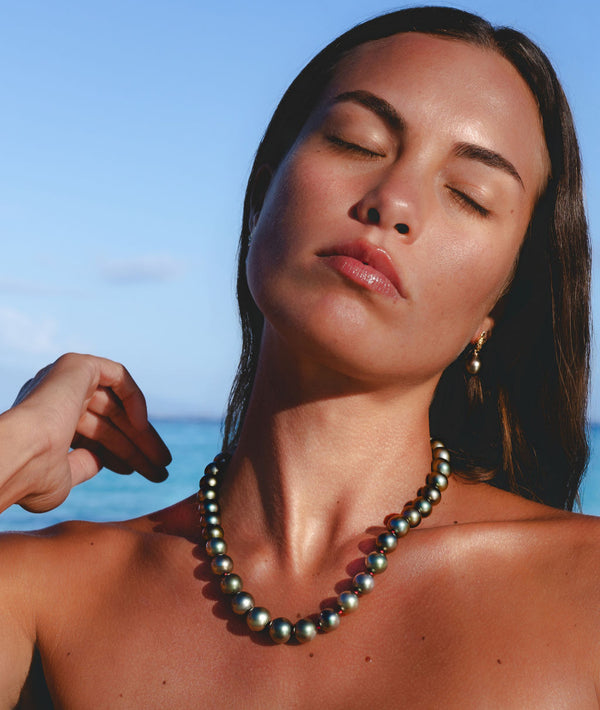
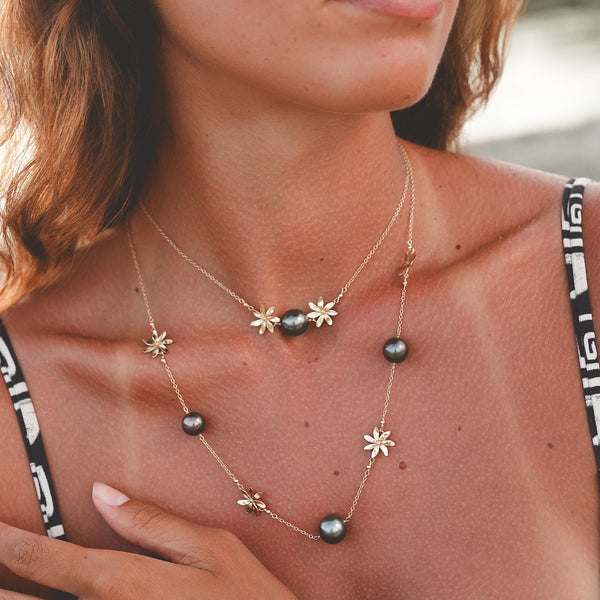
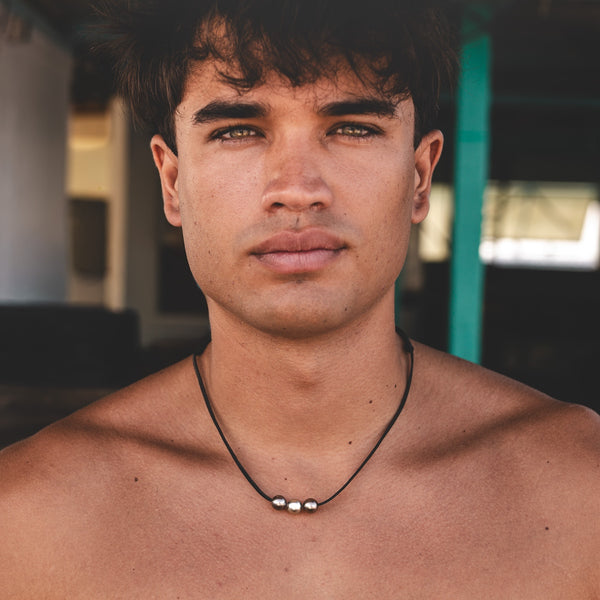
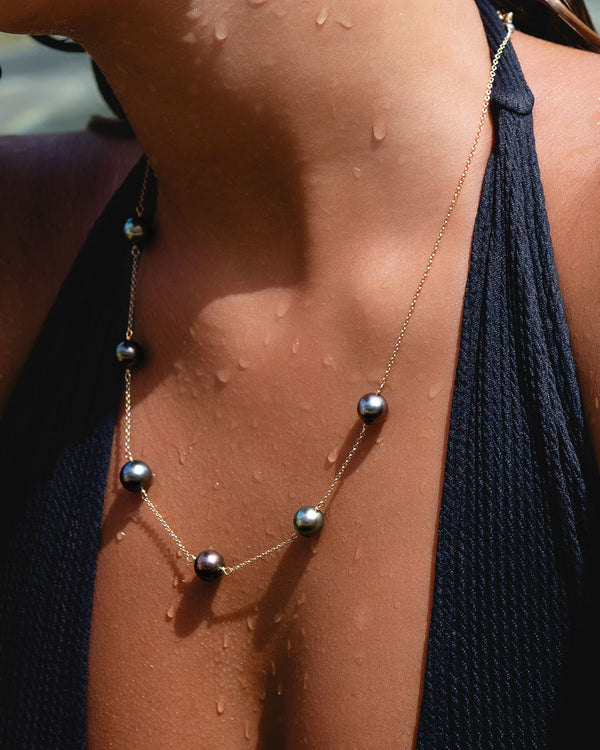
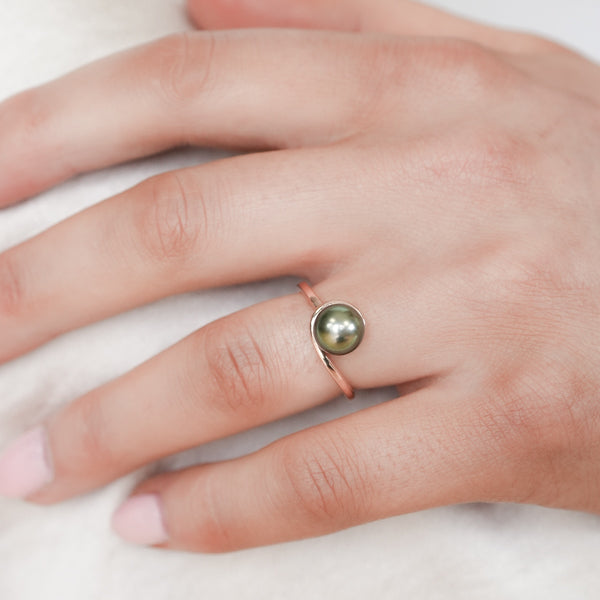
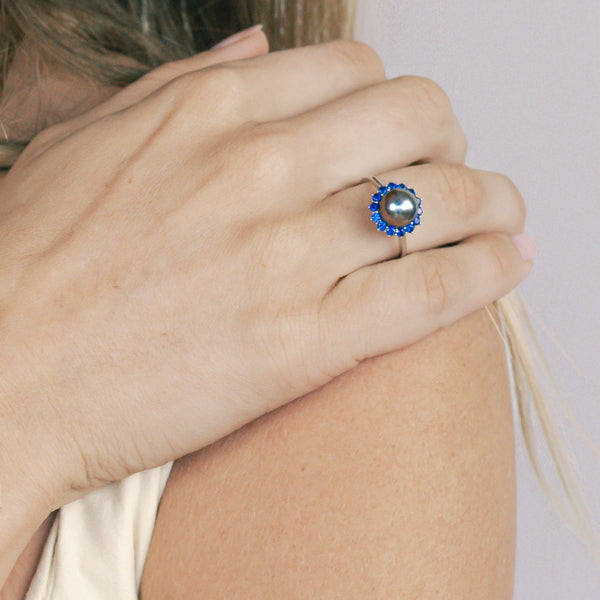
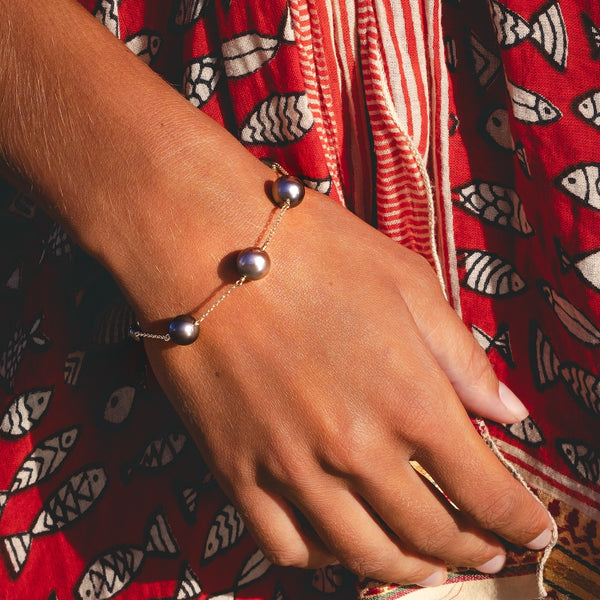
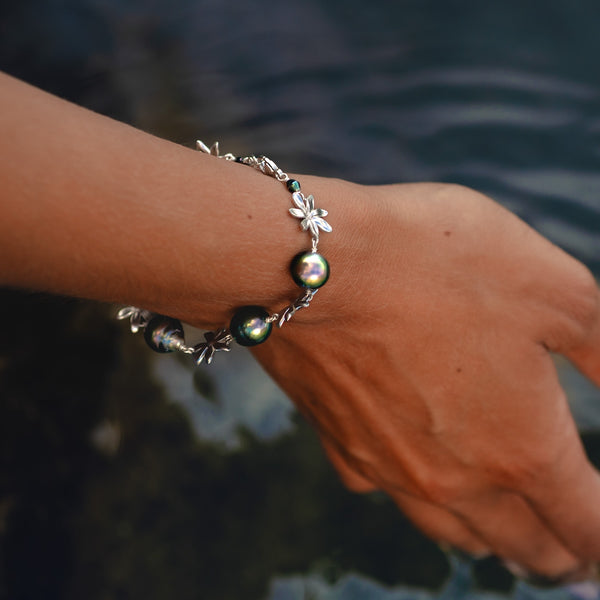
Today, Kamoka runs on all of this at once: Patrick's decades on the water, Josh's eye and his craft, Celeste's steady hand on the business, and Tevai's determination to make sure the world actually sees what we do. Our Tahitian pearl jewelry is made in Bend, Oregon — but it starts, always, on Ahe.

02
Tahitian Pearl Farming
Every pearl starts long before the harvest.
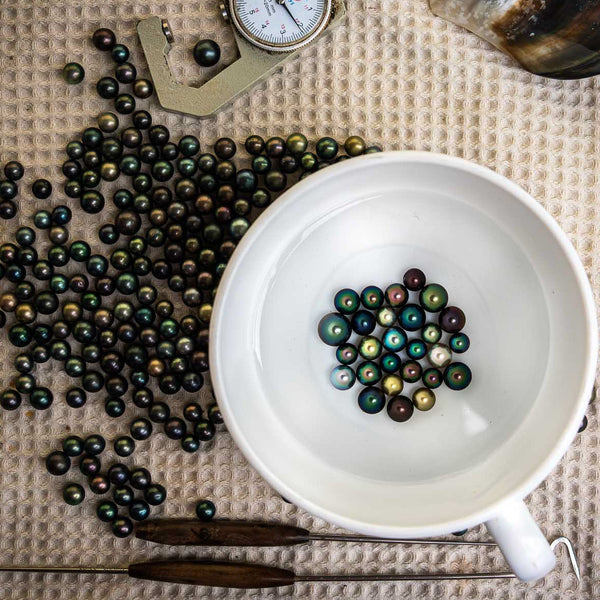
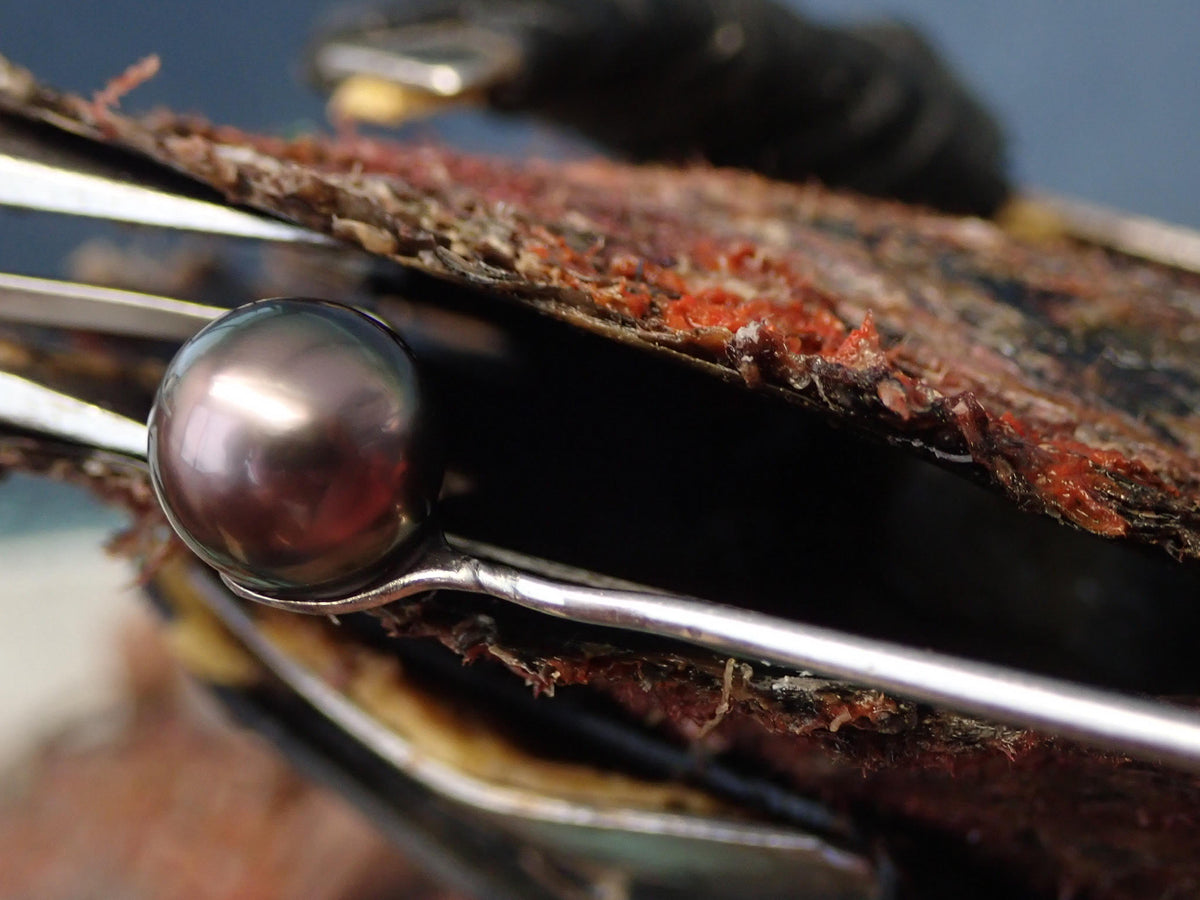
Every pearl starts long before the harvest. We choose our donor oysters carefully — the ones with the most exceptional color — and cut a small piece of mantle tissue into fragments no bigger than a fingernail. Each fragment carries the genetic instructions for the pearl that will eventually form.
We open a virgin oyster — one that has never produced a pearl — and carefully insert a round nucleus alongside a sliver of that donor tissue. It's precise, physical work, done by hand, the same way it's been done in this family for three generations.
We were the first farm in French Polynesia to make our nuclei from our own byproducts instead of imported shell — a change that came from years of experimentation, not convenience. Independent testing by the Tahitian Service de la Perliculture later confirmed what we'd already suspected: our nuclei produce triple the number of high-quality pearls compared to foreign shell.
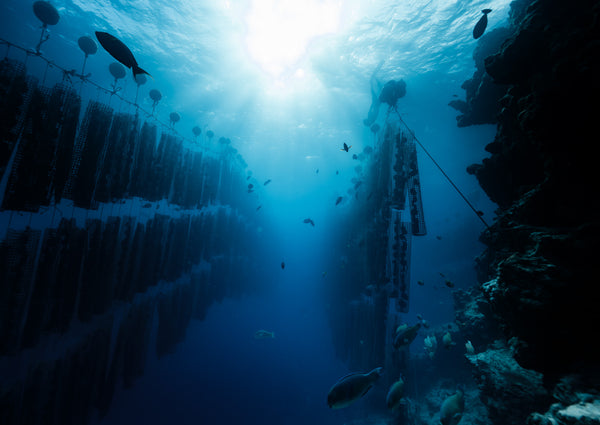
Once grafted, the oyster goes back into the lagoon, out to the same reef where the nucleus and the tissue can do their work undisturbed. And then we wait. A year, sometimes longer, before we know whether that oyster will give us something extraordinary.
Before/after
Showcase your product benefit by using before/after image comparison.
Before
After
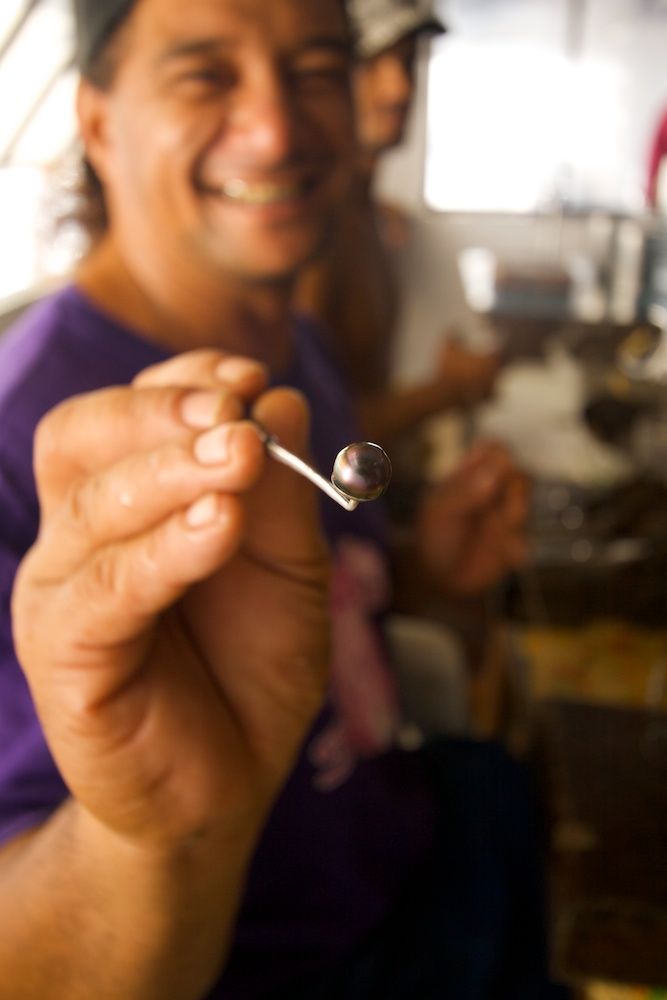
That's the truth about pearl farming nobody tells you: it isn't glamorous, and it isn't fast. It's oysters and salt water and hands that know what they're doing, repeated thousands of times, for a chance at something beautiful.
03
Explore the Atoll
Everything you just read happened somewhere real. Explore the map below to see it for yourself — the bridge Patrick engineered by hand, the platform where three generations have lived and worked, the lines where our oysters spend their years growing, and the shallow reef where the fish do the cleaning we told you about. This is our home, not just our farm.

Prefer to See it in Motion?
This is the video that introduced over three million people to life on Ahe — start to finish, exactly as we live it.

04
Sustainability
We do it differently.
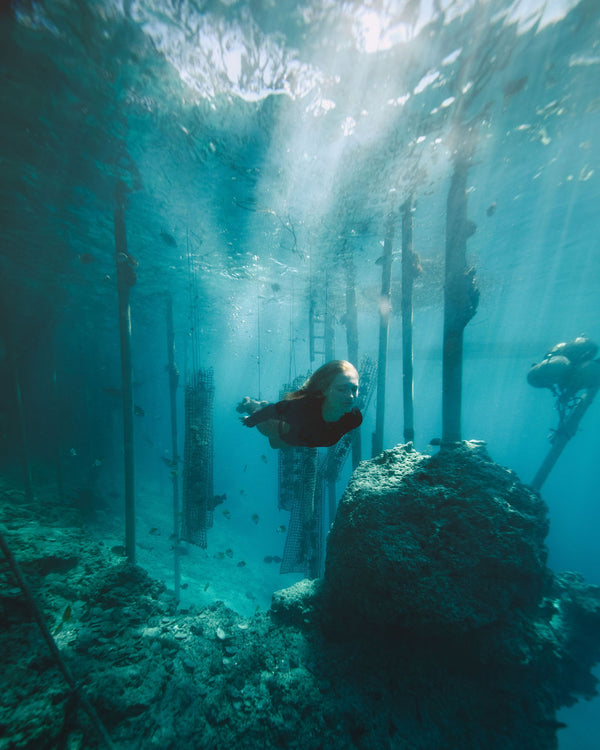
Most pearl farms clean their oysters with high-powered water hoses — fast, efficient, and hard on everything living nearby. We do it differently. We hang our oysters in shallow water near the reef, where local fish handle the cleaning for us, picking off the algae and small parasites that would otherwise slow an oyster's growth. In exchange, we don't fish in our farming waters at all. Over the years, that trade-off has turned our farm into a reserve — fish populations have grown so much that National Geographic documented the increase themselves.
It's slower than a hose. It's also cut our labor costs by half, because working with the ecosystem instead of against it turned out to be the efficient choice, not just the ethical one.
We run on solar and wind power. Our fresh water comes from rain we collect and store ourselves. Our employees live and work together on the farm, paid fair wages, which is part of why so many of them have stayed for years instead of months.
None of this is something we keep to ourselves. We've shared exactly how we farm with anyone who's asked, because a healthier lagoon and a healthier industry aren't things we're interested in hoarding. If more farms worked this way, the whole ocean would be better for it.
We didn't do any of this to earn a certification or a headline. We did it because Patrick decided, decades ago, that we'd leave this lagoon better than we found it — and every generation since has just kept that promise.

05
From Ahe to You
Every Kamoka pearl you'll ever hold has traveled the same path.
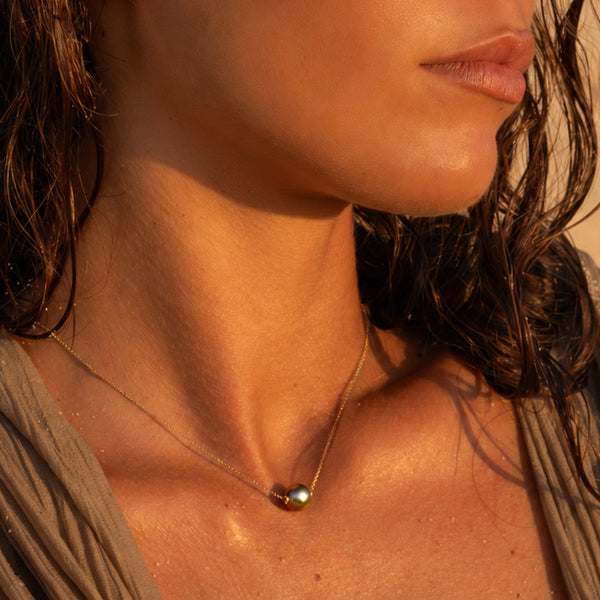
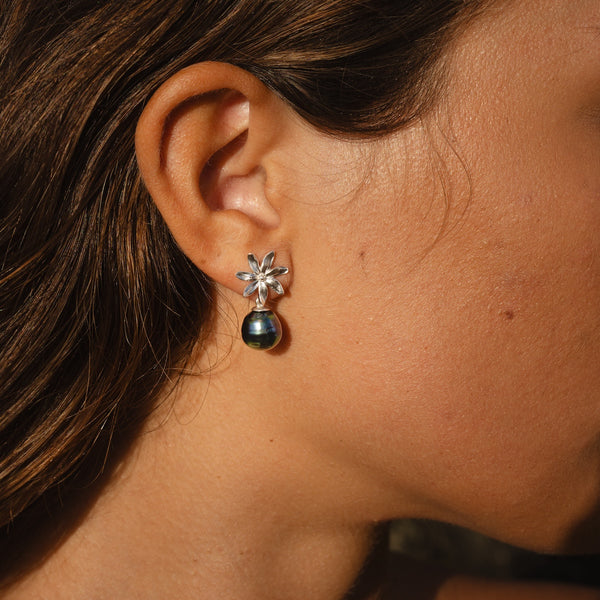
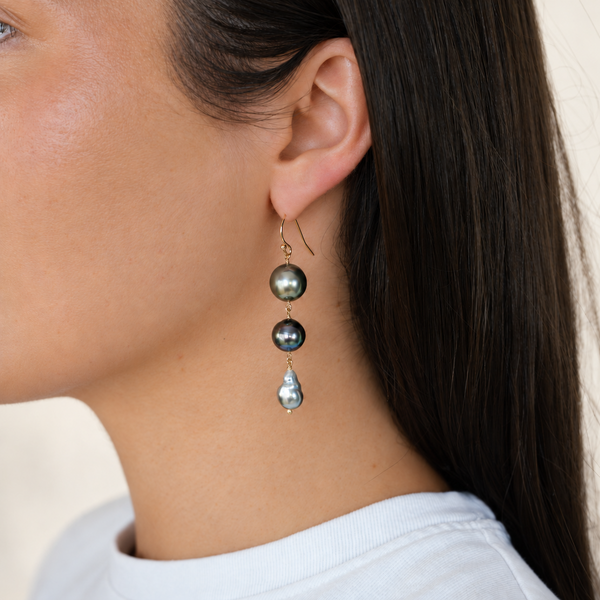
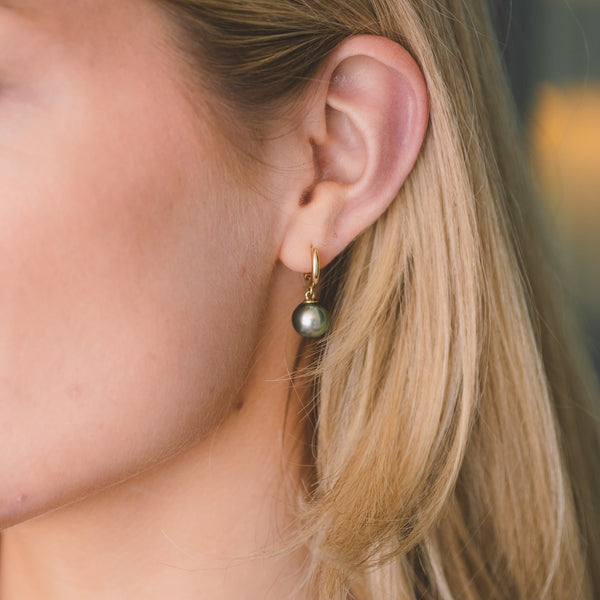
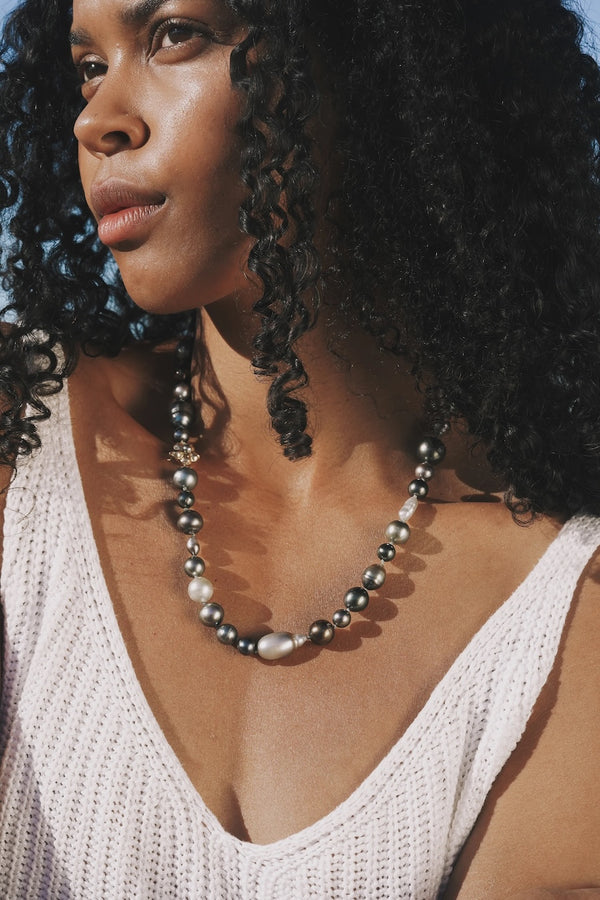
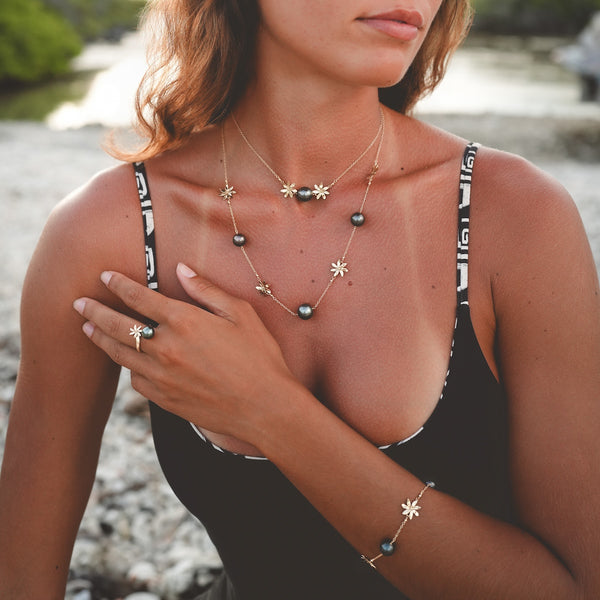
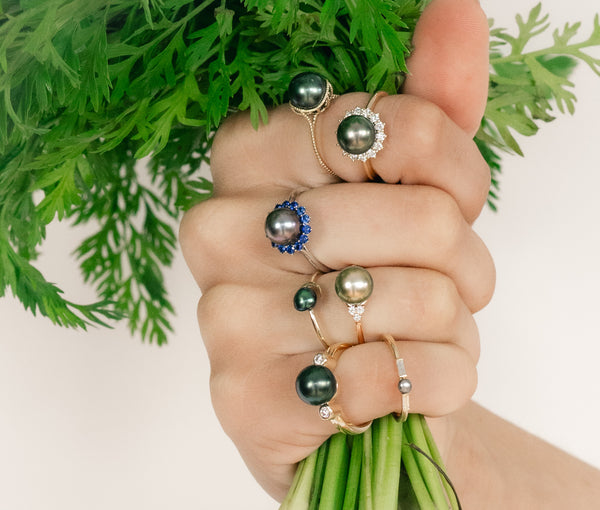
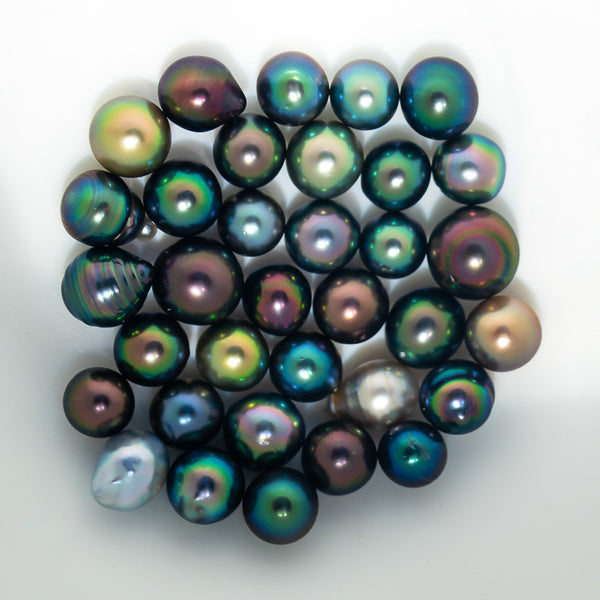
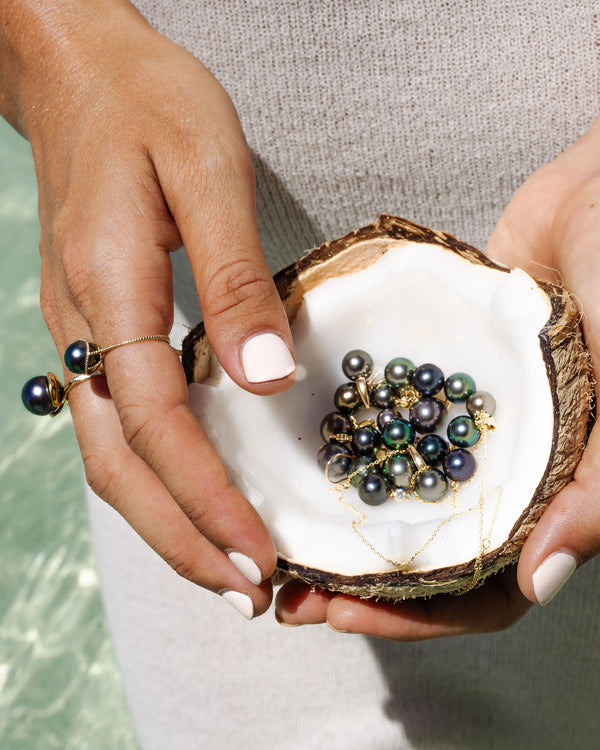
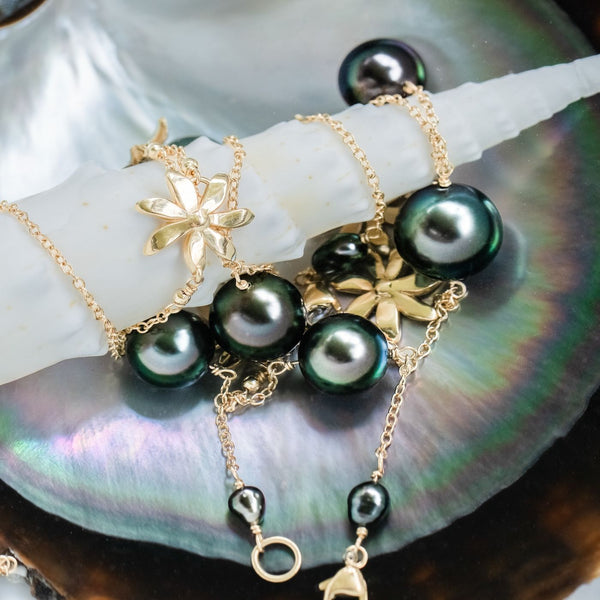
Every Kamoka pearl you'll ever hold has traveled the same path. It starts in the lagoon on Ahe, grows for a year or more under the care of the same family that's been doing this for three generations, and gets harvested by hand. From there, it makes the journey to Bend, Oregon, where our team sets it into the piece you'll actually wear — cut, polished, and finished by people we know by name, not a factory we've never seen.
We don't drop-ship. We don't send our pearls overseas to be finished by someone else and call it ours. Every step, from the oyster to your doorstep, happens under people who answer to the Kamoka name.
That's what traceable actually means here — not a marketing word, but a real answer to the question "where did this come from," all the way back to one lagoon, one family, and one very long, very deliberate way of doing things.


Tahitian pearls from our family farm in French Polynesia, since 1991.
Questions about a pearl, a setting or a gift? Email our jewelers.
